Beetham Electric Inc. offers quality electrical workmanship for any of your residential electrical needs. Whether it’s a new construction project, renovation or basic electrical home repairs, our professional and courteous electricians are committed to outstanding customer service and getting your electrical job done right the first time. We strive to be flexible and accommodate our client’s schedules to minimize any inconvenience. In today’s economy financial impact is important to everyone, so we are dedicated to keeping our rates reasonable, and to providing true value to all our customers, new and existing.
Safe, Professional Aluminum Wiring Solutions in Pickering, Oshawa, Whitby, Ajax & All of Durham Region
Welcome to Beetham Electric's Aluminum Wiring Repair page – your trusted local electrician for expert inspection, repair, and mitigation of aluminum wiring hazards in residential homes. Many homes built in the mid-1960s to late 1970s across Durham Region feature aluminum branch circuit wiring, which can pose fire risks if connections are not properly maintained or repaired.
Proudly family-owned and operated with our office based in Whitby, ON at 9 Carlow Court, Unit 1, Whitby, ON L1N 9T7, we provide comprehensive residential electrical services throughout the entire Durham Region, with special focus on:
Our licensed Master Electricians are specially trained in handling aluminum wiring, using approved methods to make your system permanently safe. We help homeowners satisfy insurance requirements, achieve full compliance with the Ontario Electrical Safety Code (OESC), and obtain the necessary ESA Certificate of Acceptance.
Searching for an electrician near me in Pickering, Oshawa, Whitby, Ajax, or anywhere in Durham for aluminum wiring repair, electrical repair, electrical troubleshooting, or related residential electrical services? Call us today at (905) 449-0890 for a free consultation and inspection!
Aluminum wiring itself is permitted under the OESC and can be safe when properly installed and maintained. However, in homes from the 1960s–1970s (common in older parts of Oshawa, Whitby, Ajax, and Pickering), aluminum connections can oxidize, loosen due to thermal expansion/contraction, or overheat—creating increased resistance and potential fire risks at outlets, switches, and junctions.
Key concerns:
The Electrical Safety Authority (ESA) recommends professional assessment and repairs by a Licensed Electrical Contractor. We use only approved methods to eliminate these hazards without major disruption.
Many homes in mid-century neighbourhoods across Oshawa, Whitby, Ajax, and Pickering still have active aluminum wiring—don't wait for problems!
Our licensed electricians begin with a comprehensive inspection of your home’s electrical wiring. We use the latest tools and technology to assess the condition of your aluminum wiring, identifying any potential issues such as improper connections, signs of wear, or damage.
Based on our findings, we offer tailored solutions to ensure the safety of your electrical system. This may include: - Replacing or repairing any faulty wiring. - Installing copper connectors at receptacles, switches, and circuit breakers to reduce the risk of overheating. - Enhancing connections with specialized techniques like crimping, which uses a copper sleeve and a special tool to create a secure connection between aluminum and copper wires.
To prevent future issues, we provide ongoing maintenance services. Our team will regularly check your aluminum wiring system to ensure it remains in optimal condition and make adjustments as needed.
We also offer wiring upgrades to bring your home’s electrical system up to current electrical codes, enhancing overall safety and functionality.
Expertise: Our electricians are specifically trained in handling aluminum wiring, ensuring that all work is done safely and effectively. Safety First: We prioritize the safety of your home and family, adhering to strict industry standards and using only the highest quality materials. Customer Satisfaction: At Beetham Electric, customer satisfaction is our top priority. We strive to provide reliable, high-quality service tailored to your specific needs. Fully Licensed and Insured: Rest assured, knowing that Beetham Electric is fully licensed and insured, providing you with peace of mind during and after our service.
Don’t wait for electrical issues to become emergencies. Contact Beetham Electric today to schedule a consultation and learn how our aluminum wiring and repair services can improve the safety and efficiency of your home’s electrical system. Call us at [phone number] or visit our website at [website URL] to learn more. Let Beetham Electric light up your home with safety and efficiency. Our experts are ready to assist you with all your aluminum wiring needs.
Introduced in the mid-1960s as a cost-effective alternative to copper, aluminum wiring has been widely used in many homes for its conductivity and affordability. However, aluminum wiring can pose certain risks if not properly installed or maintained, such as overheating and potential fire hazards.
When your insurance company asks for confirmation that your aluminum wiring is code-compliant, it raises the fearful question, “Do we have to re-wire our home to keep or get our insurance?” — The answer is NO. Beetham Electric will provide professional aluminum wiring repair services.
Re-wiring your home permanently solves your aluminum wiring concerns, but it is not the only solution. There are other economical and effective solutions to consider as well.
Beetham Electric specializes in solutions to make your aluminum wiring permanently safe, and will satisfy your insurance company that your home is safe.
Aluminum wiring has been a common choice for electrical systems in Ontario for many years, often used as an alternative to copper due to its lower cost and lighter weight. While aluminum wiring can offer some economic benefits, it also comes with certain risks and concerns that homeowners and professionals should know to maintain safe, hazard-free electrical systems.
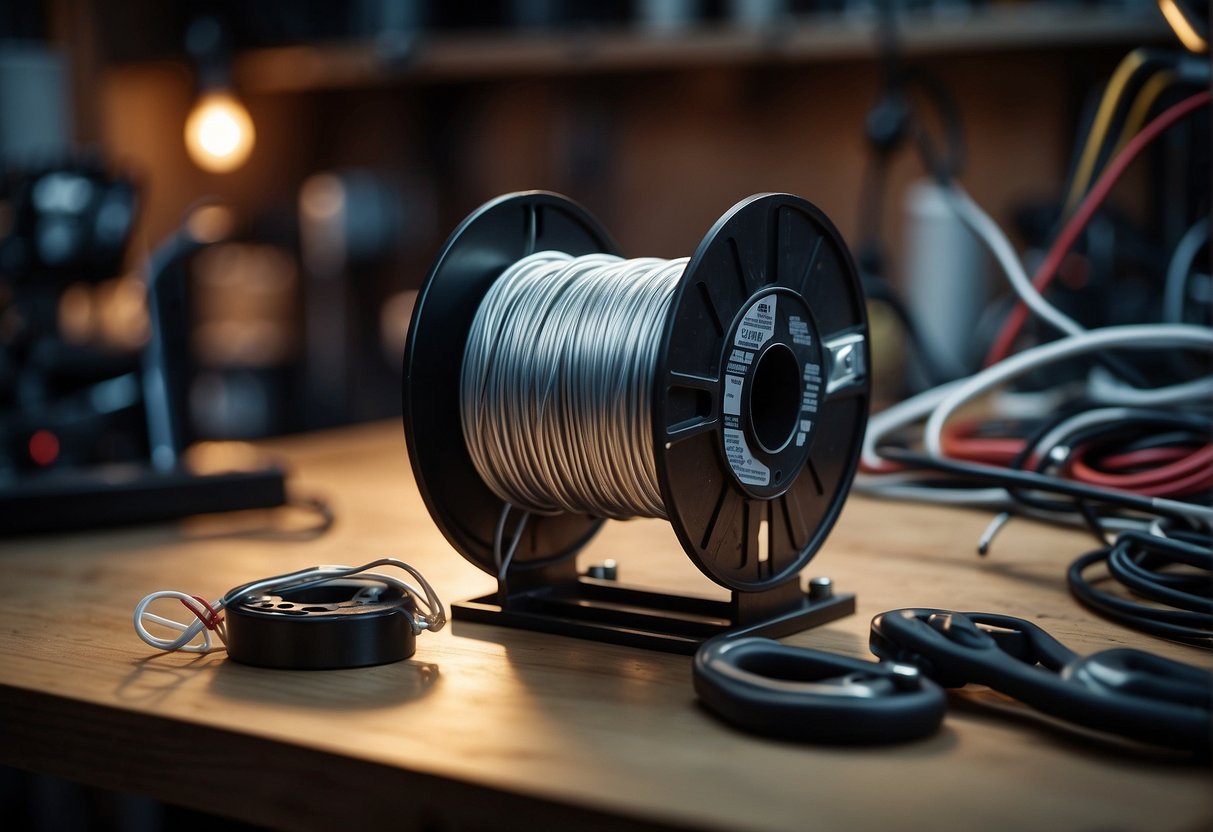
Beetham Electric specializes in proven, permanent solutions:
These repairs make your aluminum wiring permanently safe, satisfy most insurance providers, and avoid the high cost of complete house re-wire.

Homeowners with aluminum wiring installed in their properties might face some challenges regarding home insurance. As aluminum wiring is seen as a potential safety hazard, insurance providers could charge higher premiums or even deny coverage altogether. One of the main reasons behind this is the risk of flickering lights, which could eventually lead to electrical fires.
It is important to mention that the specific impact on home insurance largely depends on the insurance provider and their risk assessment. Some providers may continue to offer coverage, but with added safety requirements or higher premiums.
To secure home insurance when a property has aluminum wiring, the insurer will typically require evidence that the wiring system is safe and up to date. This may involve inspecting the wiring by our licensed electrical contractor, who will determine if the system meets current safety codes.
The homeowner may also need to obtain an ESA certificate of acceptance as proof of the inspection. In addition to this, insurance providers may ask the owner to take additional safety measures such as installing arc-fault circuit interrupters (AFCIs). These devices help reduce the risk of electrical fires by detecting potential issues and shutting off the circuit.
Obtaining home insurance coverage with aluminum wiring can be challenging, but it is not impossible. Homeowners are advised to follow these steps to improve their chances of securing coverage:
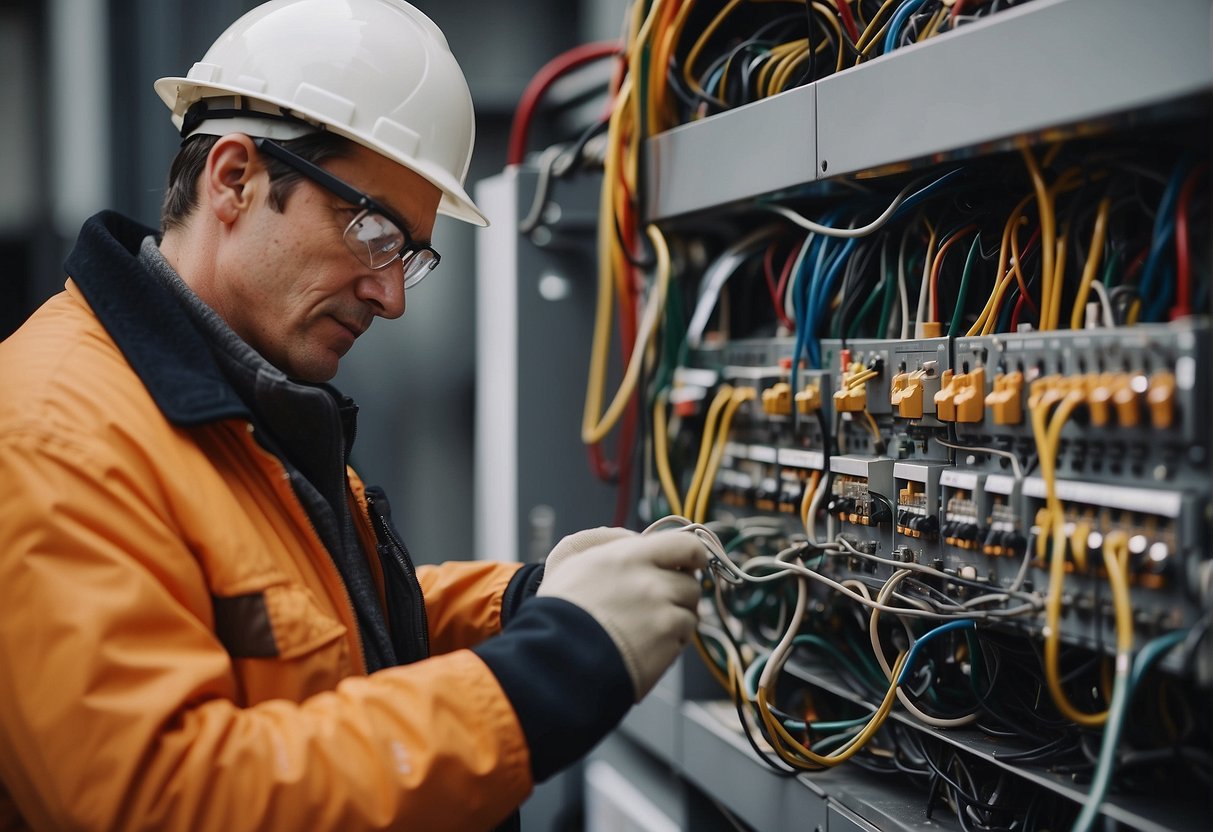
The inspection process for aluminum wiring starts with our licensed electricians conducting a thorough assessment of the electrical system. The electrician checks for any signs like overheating, loose connections, or faulty devices, and ensures that all connections are safe and secure. During the inspection, the electrician might use tools such as infrared cameras or ultrasonic detectors to identify potential issues that are not visible to the naked eye.
Our licensed professionals assess the aluminum wiring to ensure electrical safety and maintain adequate insurance coverage. Inspections conducted will be compliant with local and provincial regulations, providing the homeowner with peace of mind.
Some key steps in the inspection process include:
Once the inspection is complete, we provide a detailed report of their findings and any recommended repairs or upgrades. You should review this report carefully and discuss any concerns or questions with the electrician who inspected your home.
The outcome of the inspection could be any of the following:
After the necessary repairs or upgrades are made, we will issue an ESA Certificate of Acceptance. This official document confirms that the electrical work has been completed following the Electrical Safety Authority's (ESA) standards. Homeowners should keep this certificate for future reference and provide a copy to their insurance company to maintain proper insurance coverage.
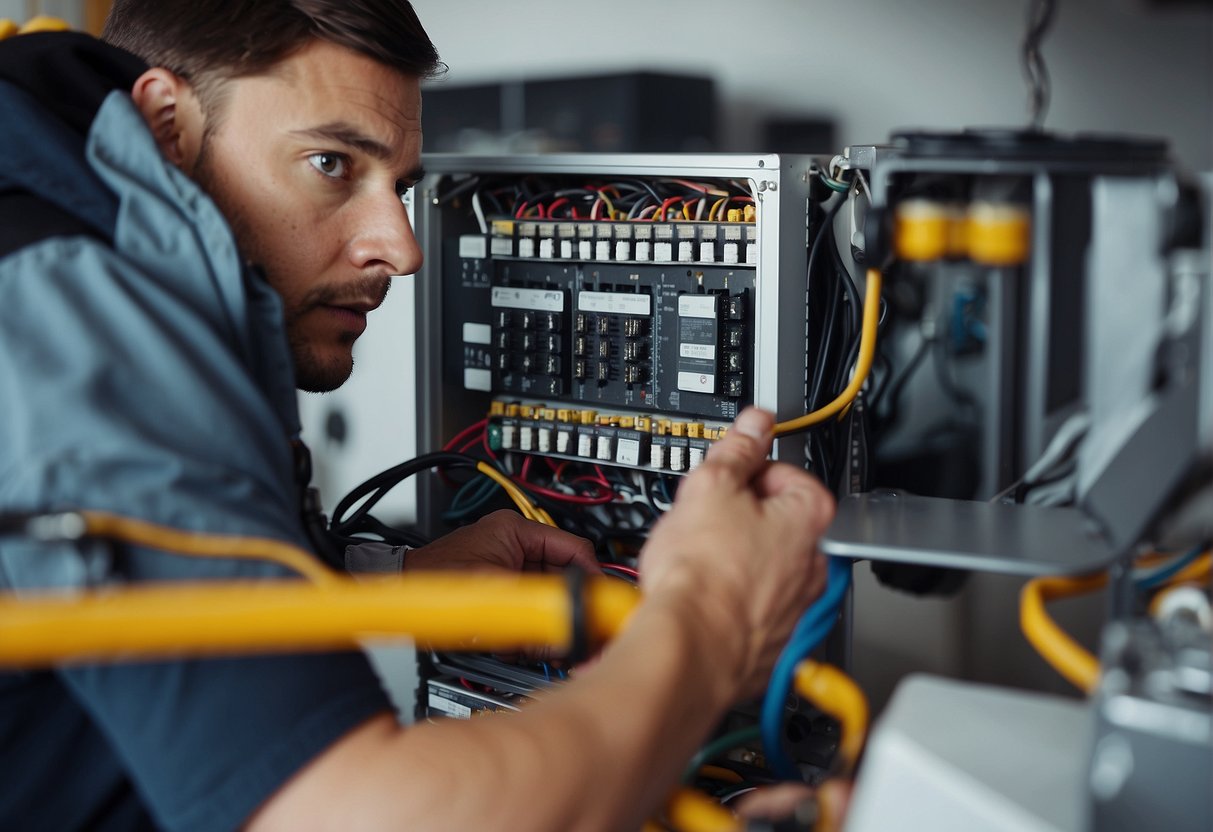
Proper connections and terminations are essential to maintaining aluminum wiring systems. Over time, connections can become loose, which can lead to overheating and potential fire hazards. To avoid these issues:
In addition, apply antioxidant compounds to connections and joints to prevent aluminum wire's natural oxidation and reduce the risk of fire.
When upgrading electrical devices, such as switches and receptacles, it's important to choose devices designed to work with aluminum wiring:
| Electrical Device | Recommended Type |
| Switches | CO/ALR rated |
| Receptacles | CO/ALR rated |
| Connectors | AlumiConn or COPALUM |
It's critical to consult with a qualified electrician when replacing or upgrading electrical devices to ensure compatibility with your aluminum wiring system.
In some cases, rewiring an entire home or retrofitting the electrical system might be necessary. This can involve:
When considering rewiring, you will need to weigh the costs, benefits, and potential risks involved. Retrofitting may be more cost-effective, but could still leave existing aluminum wiring susceptible to issues. Our qualified electricians can help assess the best approach for a specific property.
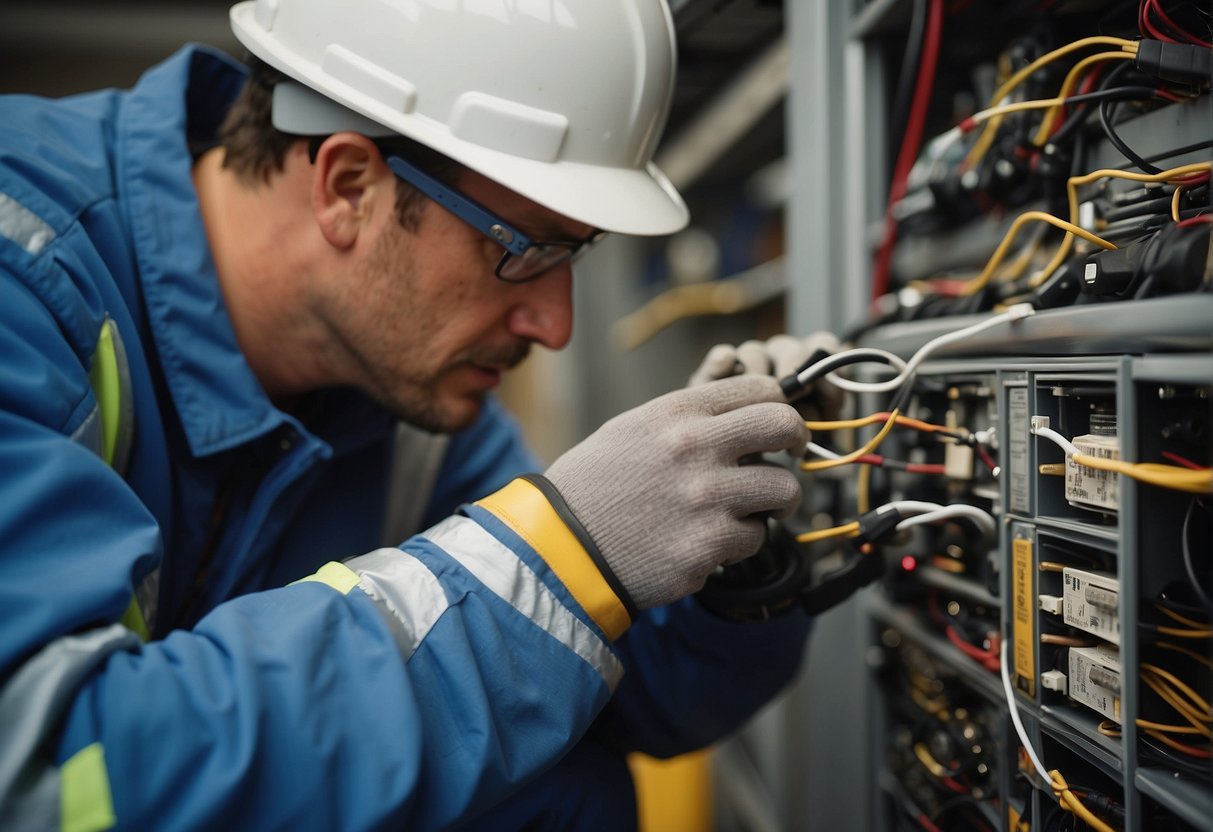
Aluminum wiring was widely used in Ontario during the late 1960s and early 1970s. However, it has been associated with several safety concerns. Due to its unique properties, aluminum wiring is more susceptible to oxidation than copper wiring. This oxidation can lead to an increase in electrical resistance, causing the wire to heat up, which poses a potential fire risk.
Furthermore, aluminum has a higher rate of thermal expansion, resulting in connections loosening over time. The loosened connections may cause arcing, which can lead to fires. As a result, the use of aluminum wiring has declined due to these safety concerns.
To address these issues, the Ontario Electrical Safety Code has implemented strict regulations on the use of aluminum wiring. This code dictates precise installation procedures and requirements. It also mandates the use of specific aluminum-to-copper connectors to reduce the risk of fires caused by aluminum wiring.
These regulations require proper installation and maintenance of aluminum wiring to ensure electrical safety. Homeowners and contractors must adhere to the Ontario Electrical Safety Code when dealing with aluminum wiring to reduce potential hazards.
| Code Requirements | Description |
| Proper Installation | To minimize oxidation and maintain circulation, the Code dictates proper installation procedures. |
| Maintenance | Regular inspection and maintenance to prevent loosening connections are required. |
| Appropriate Connectors | The use of specific aluminum-to-copper connectors is mandated to mitigate the risk of fires. |
The Electrical Safety Authority (ESA) plays a crucial role in the oversight and enforcement of safety regulations in Ontario. This includes the rules outlined in the Ontario Electrical Safety Code. They provide guidelines for electrical work and promote safe practices in the province.
When undertaking any significant electrical work involving aluminum wiring, it is crucial to obtain an ESA Certificate of Acceptance. This certificate ensures the work has been reviewed by an inspector and that it meets all relevant provisions of the Ontario Electrical Safety Code.
In conclusion, while aluminum wiring poses several potential hazards, proper adherence to the Ontario Electrical Safety Code and guidelines provided by the Electrical Safety Authority can mitigate these risks and maintain a safe environment in homes and properties.
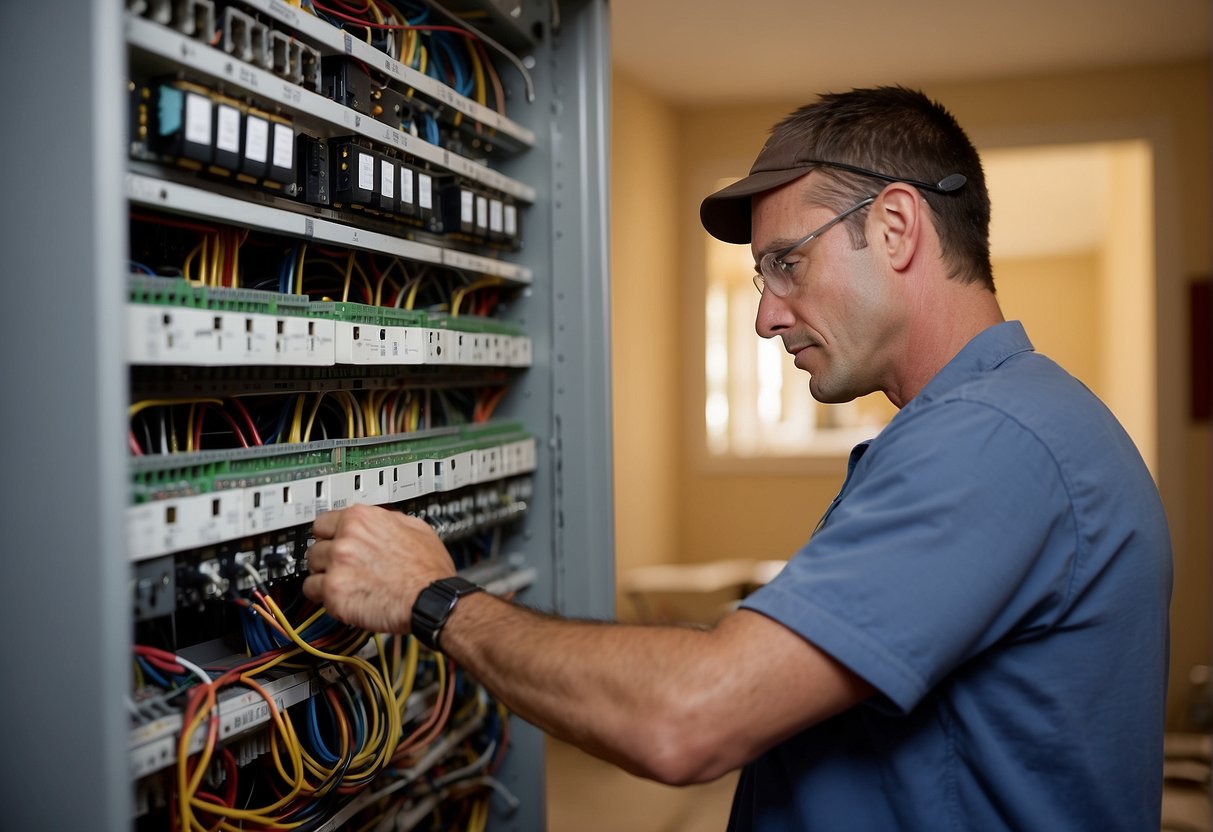
Aluminum is a lightweight, malleable, and ductile metal with good electrical conductivity. It's significantly lighter than copper, which has made aluminum wiring a popular choice for long-distance power transmission. Despite its malleability, aluminum is more susceptible to oxidation and corrosion compared to copper, which can affect the connections in electrical systems.
Aluminum wiring began being used extensively in the 1960s and 1970s when copper prices increased. It can be found in various electrical installations, including basements, attics, and in open floor joists. Interior wiring systems utilizing aluminum wire may have it in electrical outlets and switches as well.
Pros:
Cons:
| Property | Aluminum | Copper |
| Weight | Lighter | Heavier |
| Malleability | High | Moderate |
| Oxidation | Higher risk | Lower risk |
| Resistance | Higher | Lower |
| Overheating | More prone | Less prone |
| Price | Lower | Higher |
Aluminum and copper wire have their unique pros and cons, as seen in the table above. While aluminum is a more cost-efficient option, it carries a higher risk of oxidation, corrosion, and overheating. In contrast, copper's lower electrical resistance makes it a safer and more reliable choice; however, it typically comes with a higher price tag.
Failing aluminum connections can pose a fire risk. As a property owner, it's essential to be aware of the warning signs and take proper safety measures.
It's crucial to consult a professional electrician if you observe any of these signs on your property. Regular inspections and proper maintenance of aluminum wiring systems can ensure safety and reduce the risk of failures.
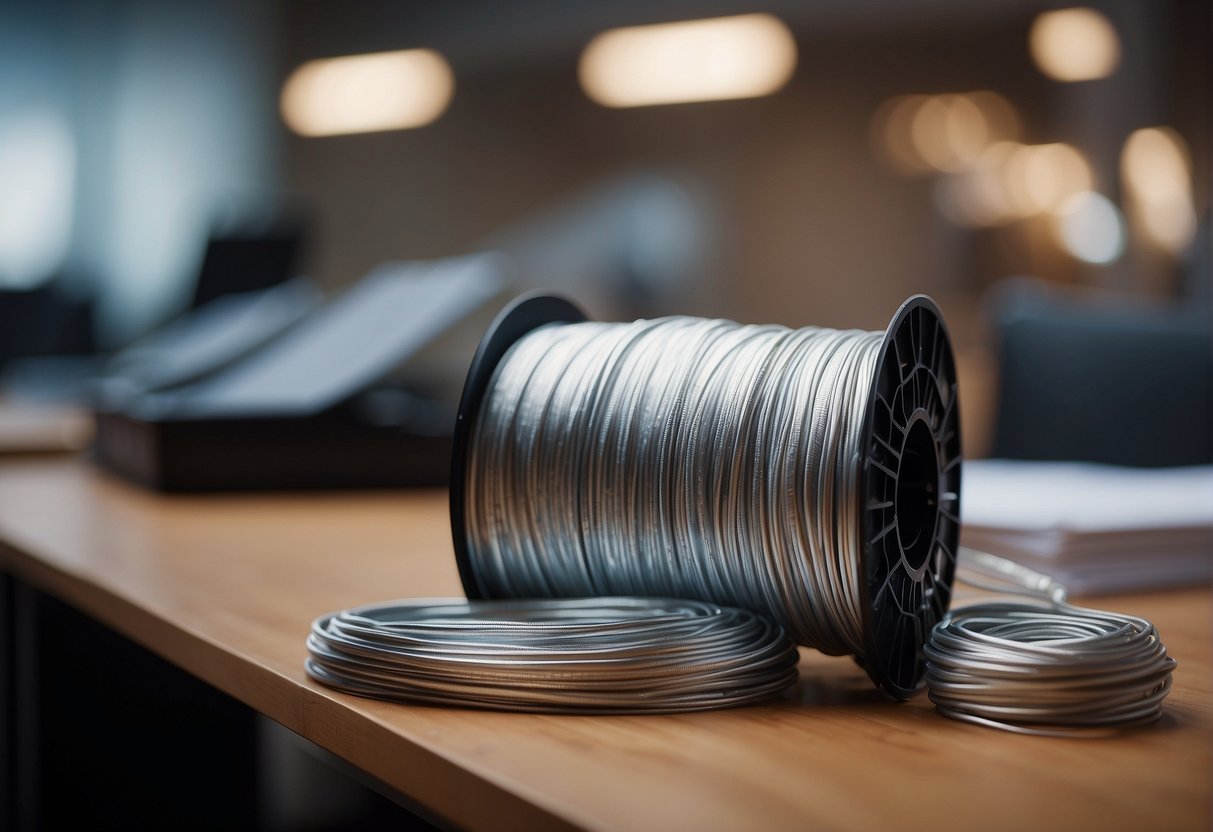
In Ontario, a home inspection is recommended when buying or selling a property with aluminum wiring. A professional and certified electrician should be hired to examine the home's electrical system, including the wiring, connections, and outlets. They will ensure it is up to code and complies with the Electrical Safety Authority (ESA) standards.
To identify aluminum wiring in your home, you can start by checking the electrical panel. Aluminum wires are typically silver in colour, compared to copper wires which are reddish-brown. A closer examination of cables may reveal the word "aluminum" or its abbreviation "AL" on the plastic sheathing. If you are unsure, it is best to consult a certified electrician to confirm the presence of aluminum wiring.
The costs of updating aluminum wiring can vary depending on the size of the property and the complexity of the electrical system. Typical rewiring costs for an Ontario home can range between $8,000 to $15,000 CAD. An alternative, less costly solution is the Copalum crimping method, which involves connecting copper pigtails to the aluminum wiring. This option may cost between $50 - $80 per connection.
Home insurance providers in Ontario may consider properties with aluminum wiring as higher risk. Some insurers may request an electrical inspection or specific repairs to be completed before issuing a policy. In certain cases, insurance premiums may be higher for homes with aluminum wiring as compared to those with copper wiring.
Yes, there are safety concerns associated with aluminum wiring in residential properties. Aluminum wires can oxidize over time and create increased electrical resistance at connections, which can lead to overheating and potentially fires. The expansion and contraction of aluminum wiring can also cause loosening of connections, posing a safety risk. It is essential to have a qualified electrician evaluate your home's aluminum wiring to mitigate any hazards.
The presence of aluminum wiring can affect the resale value of homes in Ontario. Potential buyers may be apprehensive and concerned about the potential costs of rewiring or updating the electrical system. Disclosure of aluminum wiring and documentation of any inspections or repairs can help in assuaging buyer concerns and ensure transparency during the transaction.
Yes, you can insure a house in Ontario with aluminum wiring, but there may be some additional requirements and considerations. Aluminum wiring was commonly used in homes from the mid-1960s to late 1970s and can pose certain risks if not properly maintained, as it is more likely than copper wiring to overheat and cause a fire.
Insurance companies may require an inspection by a qualified electrician to ensure that the aluminum wiring is in good condition and that all connections and terminations are properly made to mitigate potential risks. Some insurers might also require that certain modifications or updates be made, such as the installation of copper pigtails at receptacles, switches, and circuit breakers to improve safety.
Furthermore, insurance premiums might be higher for homes with aluminum wiring due to the increased risk, or the insurance policy might include specific stipulations regarding the wiring. It's important to shop around and speak with different insurance providers to understand their policies regarding homes with aluminum wiring and to get the best coverage options available.
Ready to make your aluminum wiring safe and insurance-compliant in Pickering, Oshawa, Whitby, Ajax, or anywhere in Durham Region? Contact your trusted local electrician near me at Beetham Electric today!
Call or Text: (905) 449.0890
Email: sbeetham@beethamelectric.com
Address: 9 Carlow Court, Unit 1, Whitby, ON L1N 9T7
Proudly Serving: Pickering, Oshawa, Whitby, Ajax, Clarington, Uxbridge, Scugog, Brock & All of Durham Region
We offer same-day emergency response when possible, 24/7 availability, and full warranties on repairs.
Explore more residential services: Electrical Panel Upgrades, EV Charger Installation, Surge Protection, Pool & Hot Tub Wiring, Code Corrections, and more.
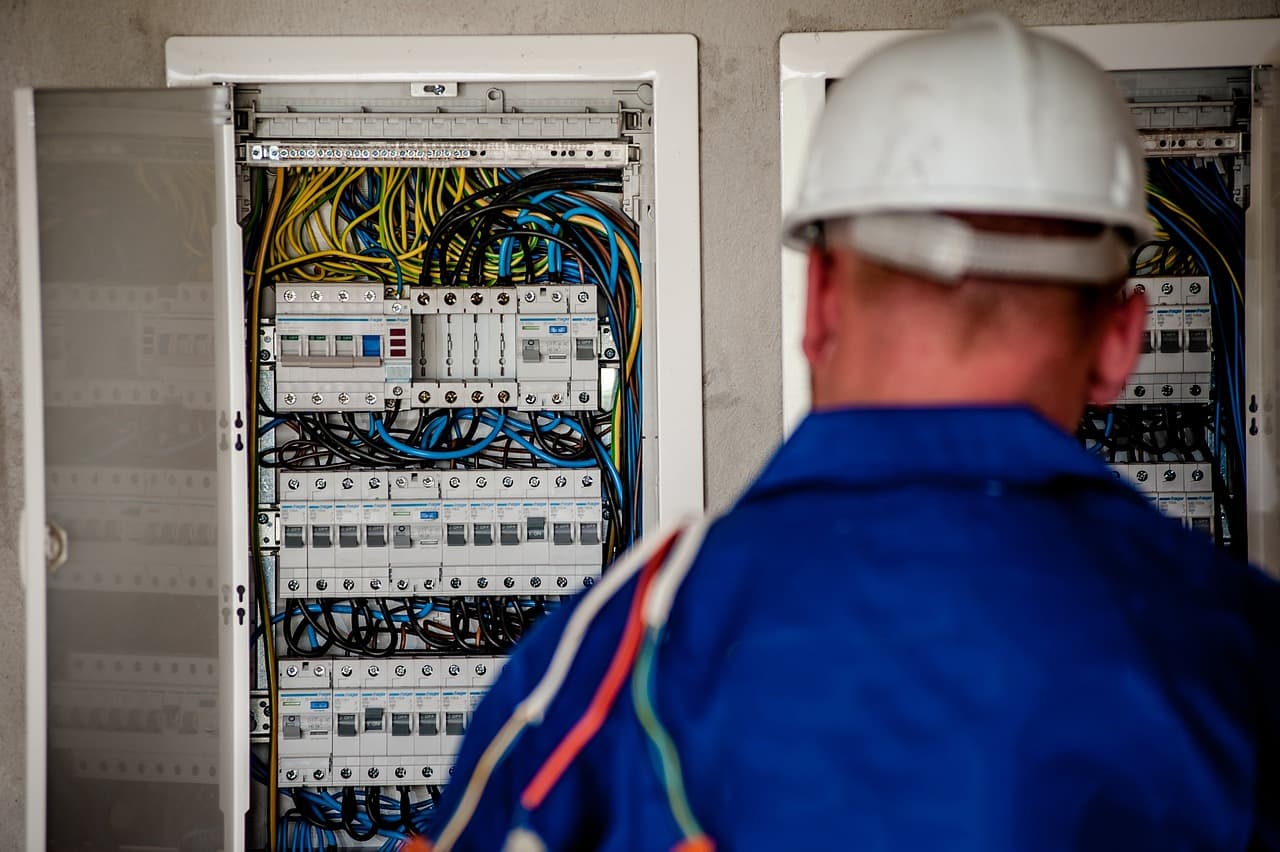
Welcome to Beetham Electric's Electrical Panel Upgrade page – your trusted local electrician for expert panel change, electrical panel replacements, and upgrades to modern 200-amp (or higher) systems that meet today's power demands and Ontario Electrical Safety Code requirements.
Proudly family-owned and operated with our office based in Whitby, ON at 9 Carlow Court, Unit 1, Whitby, ON L1N 9T7, we deliver safe, reliable residential electrical services throughout the entire Durham Region, with special emphasis on:
Our licensed Master Electricians specialize in upgrading outdated panels—from 60-amp fuse boxes in older Lakeview (Oshawa) and Whitby homes to 100-amp breaker panels in mid-century properties across Pickering and Ajax—to full 200-amp service that supports modern appliances, home offices, EV chargers, hot tubs, and future needs. Every upgrade includes ESA permits, inspections, and full compliance with the Ontario Electrical Safety Code.
Searching for an electrician near me in Pickering, Oshawa, Whitby, Ajax, or anywhere in Durham for panel change, electrical panel upgrade, electrical installation, or related residential electrical services? Call us today at (905) 449-0890 for a free on-site assessment and detailed quote!
By upgrading you’re outdated panel you not only gain reliability and safety, you also increase your resale value.
Call us today for a free consultation (905) 449.0890
Why Upgrade an Electrical Panel?
Safety: Old and outdated panels can cause circuit breakers or fuses to fail, leading to potential fire hazards. Upgrading ensures your safety and meets all regulatory standards.
Capacity: Modern households and businesses consume more power than ever. Upgrading your panel can support increased electrical loads without risking outages or damage.
Resale Value: An updated electrical system can enhance the value of your property, making it more attractive to potential buyers.
Regulations: Stay compliant with the latest Ontario Electrical Safety Code requirements to avoid legal and insurance issues.
Electrical Panel Assessment: We start with a thorough inspection of your current system to identify any potential issues and determine the best upgrade path.
Electric Panel Upgrade: We replace outdated components with high-quality, modern equipment, ensuring your panel can handle today's electrical demands.
Electrical Panel Replacement: For panels that are beyond upgrade, we provide complete replacement services using top-tier, durable materials that offer longevity and reliability.
Post-Installation Testing and Verification: Every upgrade or replacement is followed by rigorous testing to confirm everything is operating safely and efficiently.
Our service begins with a detailed consultation to understand your needs. We provide a clear, itemized quote that outlines all costs associated with the upgrade or replacement.
Safety is our top priority. We take every precaution necessary, including shutting down power, to ensure a safe work environment.
Our experienced team will efficiently handle the removal of your old panel and the installation of the new one, minimizing any disruption to your daily activities.
We respect your property and will leave your space as clean as we found it, followed by a final inspection to ensure everything is perfect.
Licensed and Insured: Our electricians are fully licensed and insured to provide professional electrical services in Ontario.
Local Expertise: With years of experience in the Durham Region, we are familiar with local codes and community-specific electrical needs.
Customer Satisfaction: We pride ourselves on the positive feedback from our clients and strive to maintain a high standard of customer service.
Warranty and Support: We offer comprehensive warranties on our work and are always available for follow-up support and maintenance.
The duration of an electrical panel upgrade or replacement can vary depending on several factors, but typically it ranges from half a day to a full day. Generally, straightforward replacements in homes with up-to-date wiring and no complications can be completed within 4 to 8 hours, while more involved projects might take a full day or occasionally even longer if significant upgrades or repairs are required.
Some aspects that can influence the time it takes are the complexity of your current electrical system, the condition of existing wiring, the type of panel being installed, and local regulatory compliance. More intricate systems and outdated wiring that require significant modifications or repairs can extend the installation time. Additionally, the choice between upgrading to a higher capacity panel or switching from a fuse box to a circuit breaker, as well as adherence to local building codes and inspection protocols, can further impact the overall time frame needed to complete the project.
As your electrician, there are a few things you can do to prepare for the upgrade or replacement of your electrical panel, ensuring the process goes smoothly and safely:
Clear Access: Please ensure there is clear access to the electrical panel. Remove any obstacles or storage items that might be in the way. This helps us start work immediately and safely without needing to move things around.
Secure Pets: If you have pets, it's a good idea to keep them in a separate area during work. This keeps them safe and prevents any distractions or accidents.
Backup Important Electronics: Consider backing up important data on your computers or other devices. While not always necessary, it's a good practice in case of unexpected power outages during the upgrade.
Plan for Power Outage: The power will need to be shut off for several hours while we work on your panel. It might be helpful to plan activities that don't require electricity and ensure that devices like mobile phones are fully charged.
Notify Affected Parties: If you live in a multi-family dwelling or if your panel upgrade could impact neighbours, let them know about the expected power outage and its duration.
Taking these steps will help both of us ensure that the upgrade process is efficient and free from interruptions. If you have any specific concerns or questions, feel free to ask, and we'll do our best to accommodate your needs.
Upgrading your electrical panel is often worth the investment, especially for enhancing safety, meeting increased power demands, and maintaining compliance with current electrical codes. Older panels may not safely handle the energy usage of modern appliances and devices, posing risks of overload and potential hazards such as fires. Additionally, an upgraded panel can improve your home's resale value and ensure your electrical system is efficient and capable of supporting any future upgrades or renovations you might consider. Thus, upgrading is a prudent decision if your current panel is outdated or showing signs of wear.
Yes, you definitely need a licensed electrician to upgrade an electrical panel. This is not only for safety reasons but also to ensure compliance with local building codes and regulations. Electrical panel upgrades involve complex wiring tasks and potential changes to your home's electrical infrastructure and must meet specific safety standards. A professional electrician has the necessary skills, experience, and tools to perform the upgrade correctly and safely. Additionally, most local jurisdictions require that such work be done by a qualified professional and typically require an inspection by a city or county official to ensure the work meets all electrical codes.
The lifespan of an electrical panel typically ranges from 25 to 40 years. However, several factors can influence this, such as the quality of the panel, environmental conditions, and the level of maintenance it receives. Regular inspections and maintenance are important to extend the life of an electrical panel and ensure it operates safely and efficiently. If you notice signs of wear, such as circuit breakers frequently tripping, rust on the panel, or flickering lights, it might be time to consider a replacement, even if the panel has not reached the upper end of its expected lifespan.
Ready to schedule your electrical panel upgrade or replacement? Contact us via our website or give us a call during our business hours to book your consultation. We also offer emergency services to address urgent electrical issues promptly. Whether for safety, efficiency, or compliance, trust us to handle your electrical panel upgrade service professionally and carefully. Connect with us today and take the first step towards a safer, more efficient home or business environment.
Ready to upgrade your electrical panel in Pickering, Oshawa, Whitby, Ajax, or anywhere in Durham Region? Contact your trusted local electrician near me at Beetham Electric today!
Call or Text: (905) 449.0890
Email: sbeetham@beethamelectric.com
Address: 9 Carlow Court, Unit 1, Whitby, ON L1N 9T7
Proudly Serving: Pickering, Oshawa, Whitby, Ajax, Clarington, Uxbridge, Scugog, Brock & All of Durham Region
We offer same-day emergency response when possible, 24/7 availability, and full warranties on repairs.
Explore more residential services: EV Charger Installation, Surge Protection, Pot Lights & Lighting, Code Corrections, and more.
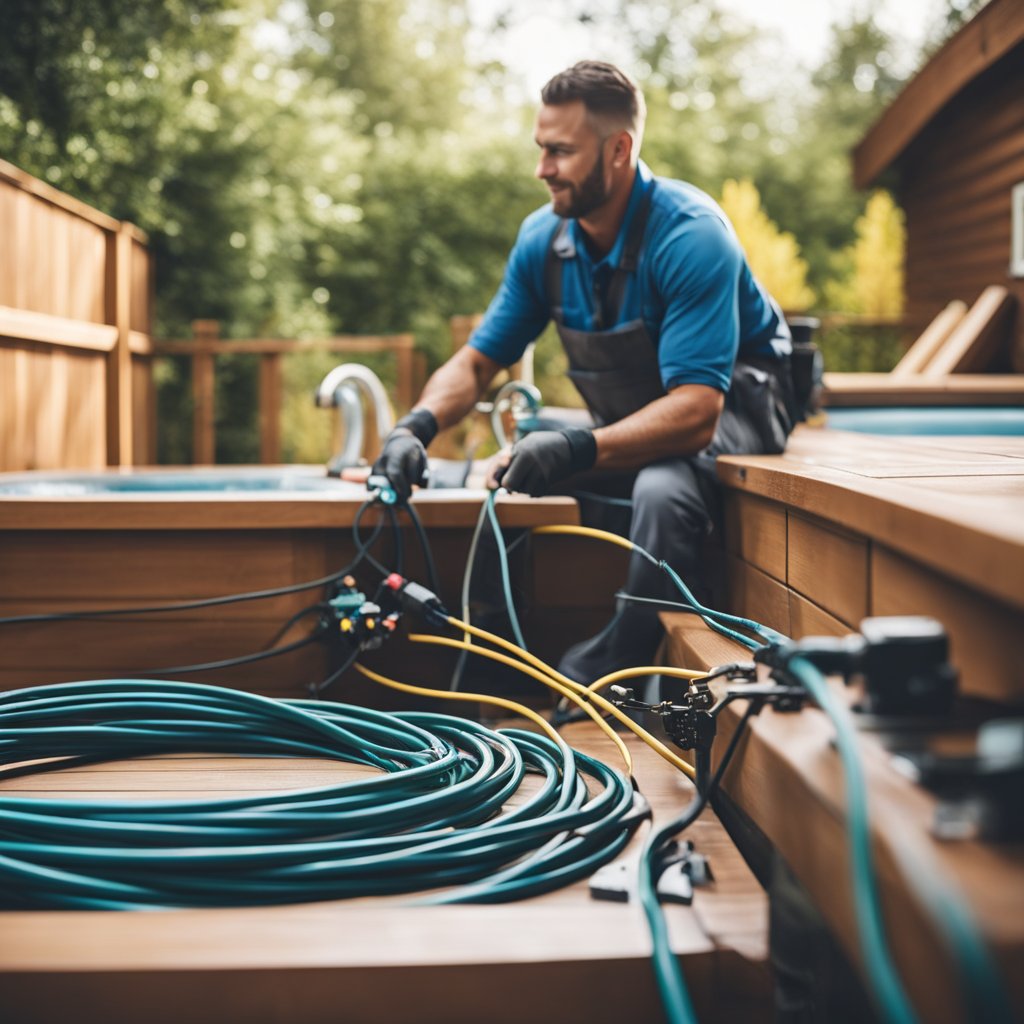
Welcome to Beetham Electric's Pool and Hot Tub Wiring Services page – your trusted Oshawa Electrician, Whitby Electrician, and Durham Electrician for safe, code-compliant electrical installations for swimming pools, hot tubs, spas, and outdoor water features.
Proudly family-owned and operated with our office based in Whitby, ON at 9 Carlow Court, Unit 1, Whitby, ON L1N 9T7, we serve homeowners throughout the entire Durham Region, including:
Our licensed Master Electricians have extensive experience wiring backyard oases across Durham Region—from in-ground pools in established Oshawa and Whitby neighbourhoods, to above-ground pools and hot tubs in Ajax, Pickering, and rural properties in Uxbridge and Scugog. Water and electricity demand the highest safety standards, and we deliver exactly that with expert electrical installation, electrical repair, and electrical troubleshooting.
Looking for a reliable electrician near me in Oshawa, Whitby, Ajax, Pickering, or anywhere in Durham for pool or hot tub wiring?
Call us today for a consultation.
Electricity near water is extremely dangerous—improper wiring can lead to electric shock, electrocution, equipment damage, or fire. Ontario's Electrical Safety Code and local building permits require specific protections for all pools, hot tubs, and spas, whether new installations, upgrades, or troubleshooting existing setups.
Common requirements include:
At Beetham Electric, we handle every detail so you can relax and enjoy your backyard safely.
A pool electrician specializes in installing, maintaining, and repairing the electrical systems associated with residential swimming pools. Their services ensure that all electrical components function safely and efficiently. Here is an overview of what a pool electrician typically does for residential customers:
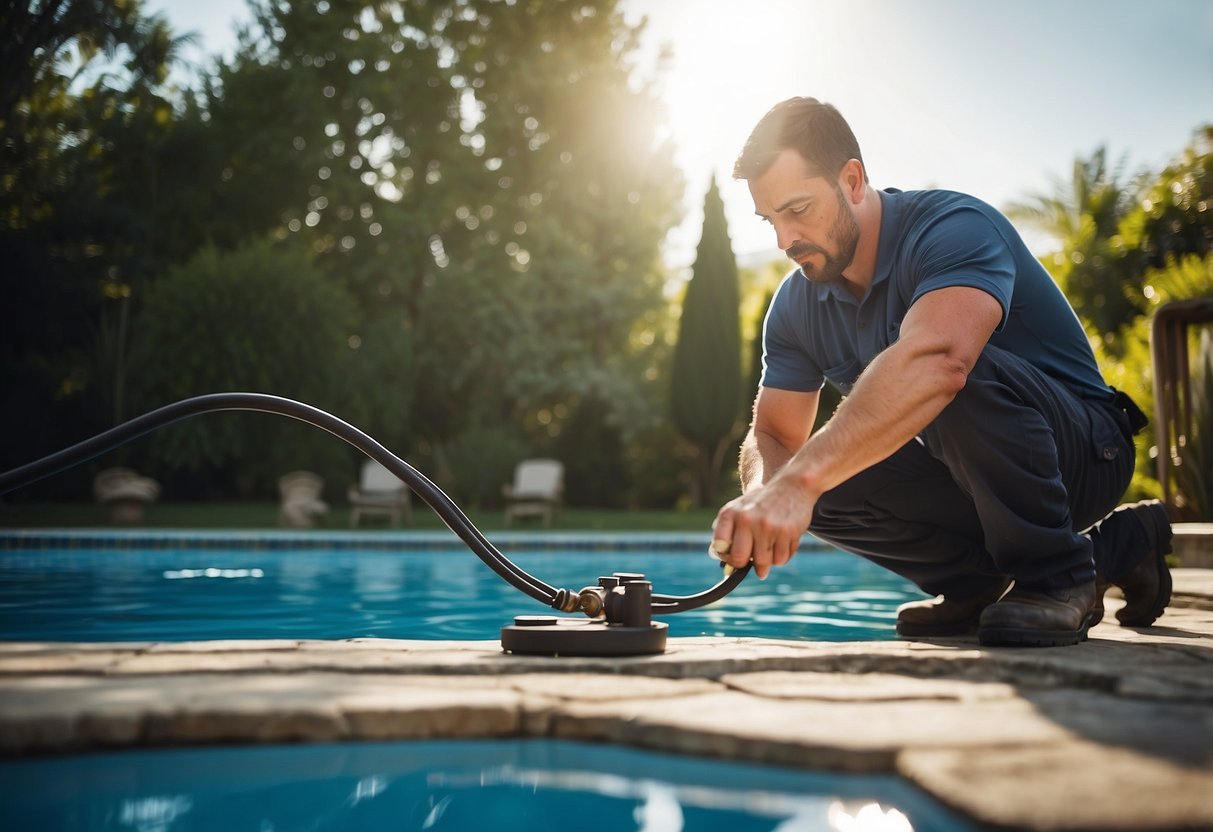
We provide complete electrical installation and upgrades for:
We work with all major brands (Jacuzzi, Hot Spring, Arctic Spas, etc.) and ensure seamless integration with your home’s electrical panel—often combining with panel change or surge protection for optimal performance.
Benefits for Durham Region homeowners:
Call us today for a consultation.
Don’t risk it—professional wiring prevents tragedy and costly repairs.
Ready to safely power your backyard paradise in Oshawa, Whitby, Ajax, Pickering, or anywhere in Durham Region? Contact your trusted local electrician near me at Beetham Electric today!
Call or Text: (905) 449.0890
Email: sbeetham@beethamelectric.com
Address: 9 Carlow Court, Unit 1, Whitby, ON L1N 9T7
Proudly Serving: Pickering, Oshawa, Whitby, Ajax, Clarington, Uxbridge, Scugog, Brock & All of Durham Region
We offer same-day emergency response when possible, 24/7 availability, and full warranties on repairs.
Explore more residential services: Electrical Panel Upgrades, EV Charger Installation, Surge Protection, Pot Lights & Lighting, Code Corrections, and more.
Professional Recessed Pot Lights & Interior Lighting Upgrades in Pickering, Oshawa, Whitby, Ajax & All of Durham Region
Welcome to Beetham Electric's Pot Lights & Lighting page – your trusted local electrician for expert installation of recessed pot lights, modern interior lighting upgrades, and energy-efficient lighting solutions that transform your home.
Proudly family-owned and operated with our office based in Whitby, ON at 9 Carlow Court, Unit 1, Whitby, ON L1N 9T7, we provide high-quality residential electrical services throughout the entire Durham Region, with special focus on:
Our licensed Master Electricians specialize in pot lights (recessed lighting) installations that add sleek, modern ambiance, improve energy efficiency, and enhance the overall feel of your space. From kitchen upgrades in older Oshawa homes to basement renos in Whitby, living room transformations in Pickering, and full-home lighting refreshes in Ajax, we deliver professional electrical installation that's fully compliant with the Ontario Electrical Safety Code (OESC) and ESA standards.
Searching for an electrician near me in Pickering, Oshawa, Whitby, Ajax, or anywhere in Durham for pot lights installation, recessed lighting, ceiling fixtures, or related residential electrical services? Call us today at (905) 449-0890 for a free consultation and custom lighting design quote!
Pot lights (also known as recessed lights or can lights) provide clean, even illumination without bulky fixtures, making rooms feel larger, brighter, and more contemporary. They're ideal for kitchens, living rooms, bathrooms, basements, hallways, and more.
Key benefits for Durham Region homeowners:
We handle new installations, retrofits (in existing ceilings), and upgrades from outdated fixtures.
We offer comprehensive electrical installation using high-quality, dimmable LED recessed fixtures:
We perform careful ceiling cuts (with dust control), proper wiring, IC-rated fixtures for insulation contact, and ESA-compliant work.
Ready to brighten your Pickering, Oshawa, Whitby, Ajax, or Durham Region home with beautiful pot lights? Contact your trusted local electrician near me at Beetham Electric today!
Call or Text: (905) 449.0890
Email: sbeetham@beethamelectric.com
Address: 9 Carlow Court, Unit 1, Whitby, ON L1N 9T7
Proudly Serving: Pickering, Oshawa, Whitby, Ajax, Clarington, Uxbridge, Scugog, Brock & All of Durham Region
We offer same-day emergency response when possible, 24/7 availability, and full warranties on repairs.
Explore more residential services: Electrical Panel Upgrades, EV Charger Installation, Surge Protection, Pool & Hot Tub Wiring, Code Corrections, and more.
Modernize your home with stylish recessed lighting (pot lights) ,new fixtures, track lights, ceiling fans, security lighting and many more. Let us lay out an optimal design for your rooms or design it yourself and have us install it to your ideal specifications. You may also want to reduce your energy consumption by changing to high efficiency fluorescent or LED light fixtures. Call us today for a consultation
Expert Residential Electrical Troubleshooting & Power Loss Diagnosis in Pickering, Oshawa, Whitby, Ajax & All of Durham Region
Welcome to Beetham Electric's Loss of Power Troubleshooting page – your reliable local electrician for fast, accurate diagnosis and repair of power outages, partial blackouts, flickering lights, tripped breakers, and mysterious electrical issues in your home.
Proudly family-owned and operated with our office based in Whitby, ON at 9 Carlow Court, Unit 1, Whitby, ON L1N 9T7, we provide prompt electrical troubleshooting, electrical repair, and electrical installation services throughout the entire Durham Region, with a strong focus on:
Our licensed Master Electricians respond quickly to power problems across Durham, understanding the common causes in our region—from severe weather events (thunderstorms, ice storms, high winds) affecting local utilities like Elexicon Energy, Oshawa Power, and Hydro One, to internal home issues like overloaded panels, faulty breakers, or aging wiring in older properties.
If you're experiencing a sudden loss of power, partial outage (half the house dark), flickering lights, frequent breaker trips, burning smells, or other electrical mysteries, call us immediately at (905) 449-0890. We offer 24/7 emergency service and same-day response when possible—your safety and comfort are our priority!
Power issues can stem from external grid problems or internal home electrical faults. Here's what we frequently diagnose and fix:
We perform thorough electrical troubleshooting to pinpoint the root cause—whether it's a simple reset, breaker replacement, wiring repair, or full panel change.
Beetham Electric offers comprehensive solutions:
We handle everything safely, with clean job sites, and coordinate with your utility if the issue is on their side (e.g., reporting to Oshawa Power, Elexicon, or Hydro One).
Never attempt major electrical work yourself—risk of shock, fire, or further damage is high. Call a licensed pro!
Don't let power problems disrupt your life—contact your trusted local electrician near me in Pickering, Oshawa, Whitby, Ajax, or Durham Region today!
Call or Text: (905) 449.0890
Email: sbeetham@beethamelectric.com
Address: 9 Carlow Court, Unit 1, Whitby, ON L1N 9T7
Proudly Serving: Pickering, Oshawa, Whitby, Ajax, Clarington, Uxbridge, Scugog, Brock & All of Durham Region
We offer same-day emergency response when possible, 24/7 availability, and full warranties on repairs.
Explore more residential services: Electrical Panel Upgrades, EV Charger Installation, Surge Protection, Pool & Hot Tub Wiring, Pot Lights & Lighting, Code Corrections, and more.
Expert Residential Electrical Code Corrections in Oshawa, Whitby, Ajax, Pickering & All of Durham Region
Welcome to Beetham Electric's Code Correction Services page – your trusted Oshawa Electrician, Whitby Electrician, and Pickering Electrician specializing in identifying, correcting, and resolving residential electrical code violations to ensure full compliance with the Ontario Electrical Safety Code (OESC).
Proudly family-owned and operated with our office based in Whitby, ON at 9 Carlow Court, Unit 1, Whitby, ON L1N 9T7, we serve homeowners throughout the entire Durham Region, including:
Our licensed Master Electricians have extensive experience addressing Electrical Safety Authority (ESA) defect notices and bringing homes up to current code standards. Many older homes in Oshawa and Whitby, as well as properties across Ajax, Pickering, and rural Durham areas, have non-compliant wiring from past DIY work, renovations, or outdated installations. We fix these issues quickly, safely, and professionally to protect your family, maintain insurance coverage, and support home resale.
Searching for an electrician near me in Oshawa, Whitby, Ajax, Pickering, or Durham for code corrections, electrical repair, or electrical troubleshooting? Call us today at (905) 449-0890 for a free consultation!
The Ontario Electrical Safety Code (updated regularly, with the latest major edition effective May 1, 2025) sets strict standards for all residential electrical installations to prevent shocks, fires, and hazards. When the ESA issues a "Notice of Defect" after an inspection, these violations must be corrected promptly—failure to do so can lead to insurance denials, failed home sales, fines, or serious safety risks.
Common reasons for code violations in Durham homes include:
Ignoring defects puts your home at risk—let our experts resolve them efficiently.
We frequently address these widespread issues in homes across Oshawa, Whitby, Ajax, Pickering, and Durham Region:
We perform thorough assessments, correct violations per current OESC rules, and coordinate ESA re-inspections to obtain your Certificate of Acceptance—essential for insurance and resale.
Beetham Electric provides comprehensive solutions:
Benefits for Durham homeowners:
Don't let code violations jeopardize your home—contact Beetham Electric the electrician near me today to resolve them professionally!
Call or Text: (905) 449.0890
Email: sbeetham@beethamelectric.com
Address: 9 Carlow Court, Unit 1, Whitby, ON L1N 9T7
Proudly Serving: Pickering, Oshawa, Whitby, Ajax, Clarington, Uxbridge, Scugog, Brock & All of Durham Region
We offer same-day emergency response when possible, 24/7 availability, and full warranties on repairs.
Explore more residential services: Electrical Panel Upgrades, EV Charger Installation, Surge Protection, Pool & Hot Tub Wiring, Pot Lights & Lighting, Code Corrections, and more.
Majority of homes have some extent of non-code compliant wiring, at Beetham Electric we can identify the non-code compliant wiring & address it as per ESA’s latest requirements. Having a home that is up to today’s electrical safety standards is very important in shock and fire prevention. When the Electrical Safety Authority issues a “Notice of Defect” this is something that needs to be corrected as soon as possible. Only an ECRA Licensed Electrical Contractor is authorized to correct these deficiencies. Call us today for a consultation.
Welcome to Beetham Electric's Surge Protection Services page – your reliable Oshawa Electrician, Whitby Electrician, and Durham Electrician for professional, high-quality whole-home surge protection installations.
Proudly family-owned and operated with our office based right in Whitby, ON at 9 Carlow Court, Unit 1, Whitby, ON L1N 9T7, we serve homeowners throughout the entire Durham Region, including:
Our licensed Master Electricians live and work in this community, so we truly understand the electrical needs of homes across these areas—from older properties in Oshawa's Lakeview and Farewell neighborhoods with aging wiring, to modern family homes in Whitby's newer subdivisions, and rural properties in Uxbridge, Scugog, and Brock. Power surges don't discriminate, and we're here to protect your investments with expert electrical installation, electrical repair, and electrical troubleshooting.
Searching for an electrician near me in Oshawa, Whitby, or anywhere in Durham for surge protection? Call us today at (905) 449-0890 for a free, no-obligation consultation!
Power surges—brief but intense spikes in voltage—can cause "electronic rust," silently damaging or shortening the life of your appliances, electronics, and HVAC systems. While basic plug-in surge protectors help with individual devices, they offer no protection for hardwired items like your fridge, stove, furnace, air conditioner, EV charger, home theater, or smart home setup.
In our Durham Region area, surges are common due to:
A professional whole-home surge protective device (SPD), installed at your main electrical panel, redirects dangerous excess voltage to ground, safeguarding your entire home.
We install top-tier, high-capacity SPDs (Type 1 or Type 2, often 50kA–100kA+ per phase) for maximum protection:
Benefits for homeowners in Oshawa, Whitby, Ajax, Pickering, Clarington, Uxbridge, Scugog, and Brock:
Act before the next big storm—many clients only call after experiencing thousands in damages!
Protect your Oshawa, Whitby, or Durham home from power surges today! Contact your trusted local electrician at Beetham Electric.
To properly protect the electronics in your home and home-based business from a power surge, invest in a whole home surge protection installation by the certified electricians at Beetham Electric. We will directly wire surge protection into the main electrical panel. Surge protection works by the device detecting when a current above the designated level triggers the surge protector to redirect the unwanted or extra electricity into the grounding wire attached to the device. Call us today for a consultation.
Proudly Serving: Pickering, Whitby, Oshawa, Ajax, Clarington, Uxbridge, Scugog, Brock & All of Durham Region
We offer same-day consultations when available, 24/7 emergency service, and full warranties on installations.
Explore more residential services: Electrical Panel Upgrades, EV Charger Installation, Surge Protection, Pool & Hot Tub Wiring, Pot Lights & Lighting, Code Corrections, and more.
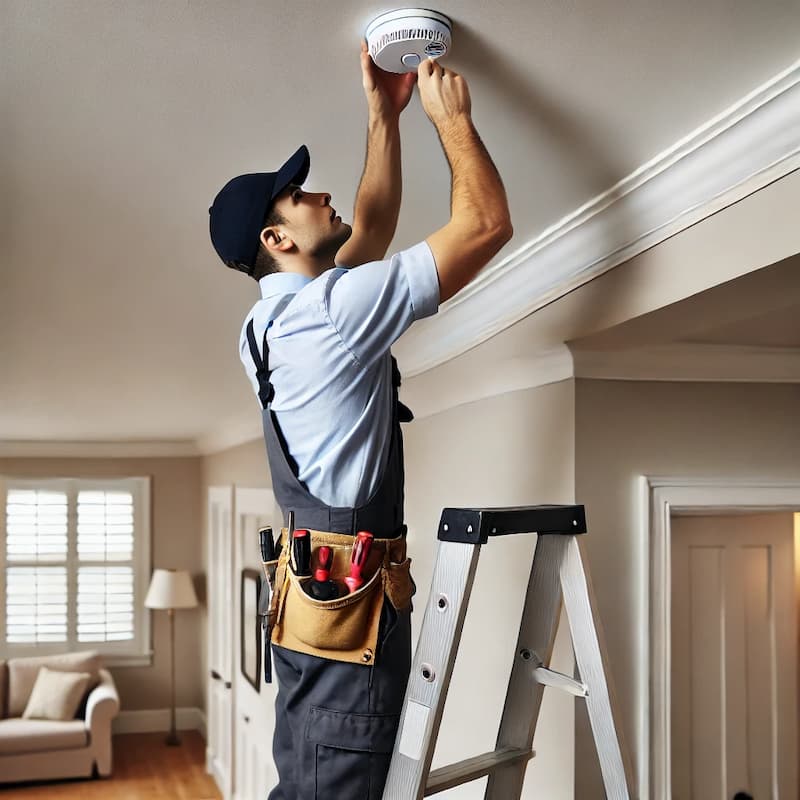
Your Trusted Local Electrician for Hardwired Smoke, CO & Fire Alarms in Oshawa, Whitby, Ajax, Pickering & All of Durham Region
Welcome to Beetham Electric's CO, Fire & Smoke Alarm Installation page – your reliable Oshawa Electrician, Whitby Electrician, and Durham Electrician specializing in professional installation of smoke detectors, carbon monoxide (CO) alarms, combination units, and fire alarm systems for maximum home safety.
Proudly family-owned and operated with our office based in Whitby, ON at 9 Carlow Court, Unit 1, Whitby, ON L1N 9T7, we proudly serve homeowners throughout the entire Durham Region, including:
Our licensed Master Electricians live and work in this community, understanding the specific safety needs of homes across Durham—from older properties in Oshawa's Lakeview and Farewell neighborhoods requiring code updates, to modern family homes in Whitby and Ajax needing interconnected systems, and everything in between. With important changes to Ontario's CO alarm requirements taking effect on January 1, 2026, now is the perfect time to ensure your home is fully compliant and protected.
Looking for an electrician near me in Oshawa, Whitby, Ajax, Pickering, or anywhere in Durham for smoke detector, CO alarm, or fire alarm installation?
Smoke alarms detect fire early, giving you precious time to escape. Carbon monoxide (CO) alarms—the "silent killer"—alert you to this odorless, colorless gas produced by fuel-burning appliances, fireplaces, or attached garages. Fire alarm systems add an extra layer for comprehensive protection.
Important Update for 2026: Starting January 1, 2026, Ontario Fire Code changes expand CO alarm requirements for homes with fuel-fired appliances (e.g., gas furnace, water heater, stove), fireplaces, or attached garages:
Combination smoke/CO units are allowed and popular for efficiency. Proper installation ensures compliance, reduces false alarms, and saves lives. Many Durham homes still rely on outdated or battery-only units—professional hardwired or interconnected systems provide superior reliability.
Beetham Electric offers expert electrical installation of:
Key features of our service:
Benefits for homeowners in Oshawa, Whitby, Ajax, Pickering, and Durham:
Don't wait for an emergency—many families discover gaps only after a scare!

Protect your Oshawa, Whitby, Ajax, Pickering, or Durham home today! Contact your trusted local electrician near me at Beetham Electric.
Call or Text: (905) 449.0890
Email: sbeetham@beethamelectric.com
Address: 9 Carlow Court, Unit 1, Whitby, ON L1N 9T7
Proudly Serving: Pickering, Oshawa, Whitby, Ajax, Clarington, Uxbridge, Scugog, Brock & All of Durham Region
We offer same-day emergency response when possible, 24/7 availability, and full warranties on repairs.
Explore more residential services: Electrical Panel Upgrades, EV Charger Installation, Surge Protection, Pool & Hot Tub Wiring, Pot Lights & Lighting, Code Corrections, and more.
Safe, Professional Knob-and-Tube Removal in Oshawa, Whitby, Ajax, Pickering & All of Durham Region
Welcome to Beetham Electric's Knob-and-Tube Replacement page – your trusted Oshawa Electrician, Whitby Electrician, and Durham Electrician for complete removal and replacement of outdated knob-and-tube (K&T) wiring systems.
Proudly family-owned and operated with our office based in Whitby, ON at 9 Carlow Court, Unit 1, Whitby, ON L1N 9T7, we serve homeowners throughout the entire Durham Region, including:
Our licensed Master Electricians have replaced knob-and-tube wiring in hundreds of pre-1950s homes across Durham Region. If you’re searching for a reliable electrician near me in Oshawa, Whitby, Ajax, Pickering, or anywhere in Durham for knob-and-tube rewiring, house re-wire, or modern electrical upgrades, call us today at (905) 449-0890 for a free, no-obligation assessment!
Knob-and-tube (K&T) was the standard residential wiring method from the 1880s to the early 1950s. It consists of single-insulated copper conductors run through ceramic knobs (in walls) and tubes (through joists), with no grounding wire.
While K&T was safe when new, it is now considered a serious hazard because:
In older Oshawa and Whitby neighbourhoods especially, active knob-and-tube is one of the top reasons homes fail insurance inspections or home sales.
Beetham Electric offers full-service, minimally invasive knob-and-tube removal and modern rewiring:
We work carefully to minimize drywall damage, protect your hardwood floors and heritage trim, and leave your home cleaner than we found it.
Benefits for Durham Region homeowners:
Ready to finally eliminate knob-and-tube wiring and modernize your Oshawa, Whitby, Ajax, Pickering, or Durham Region home? Contact your local expert electrician near me today!
Call or Text: (905) 449.0890
Email: sbeetham@beethamelectric.com
Address: 9 Carlow Court, Unit 1, Whitby, ON L1N 9T7
Proudly Serving: Pickering, Oshawa, Whitby, Ajax, Clarington, Uxbridge, Scugog, Brock & All of Durham Region
We offer same-day emergency response when possible, 24/7 availability, and full warranties on repairs.
Explore more residential services: Electrical Panel Upgrades, EV Charger Installation, Surge Protection, Pool & Hot Tub Wiring, Pot Lights & Lighting, Code Corrections, and more.
Trouble getting home insurance? Can't sell your house? Safety concerns for your family? These are all problems associated with 'knob and tube' wiring. Many home insurance companies are now forcing their clients to remove any of this type of wiring from their houses. We do that. Removal of hazardous wiring and a complete house re-wire will add safety, peace of mind, and increase the value of your home, call us today for a consultation.
Professional Outdoor & Landscape Lighting Installation in Oshawa, Whitby, Ajax, Pickering & All of Durham Region
Welcome to Beetham Electric's Landscape Lighting page – your trusted Oshawa Electrician, Whitby Electrician, and Durham Electrician for expert installation of safe, energy-efficient low-voltage landscape and outdoor lighting systems.
Proudly family-owned and operated with our office based in Whitby, ON at 9 Carlow Court, Unit 1, Whitby, ON L1N 9T7, we serve homeowners throughout the entire Durham Region, including:
Our licensed Master Electricians specialize in transforming backyards and front yards across Durham with beautiful, functional outdoor lighting. Whether you're highlighting garden features in a suburban Oshawa home, illuminating pathways in Whitby, or adding ambiance to a rural property in Uxbridge or Scugog, we deliver professional electrical installation that's fully compliant with the Ontario Electrical Safety Code (OESC) and ESA requirements.
Searching for an electrician near me in Oshawa, Whitby, Ajax, Pickering, or anywhere in Durham for landscape lighting, outdoor lighting, or related electrical services? Call us today at (905) 449-0890 for a free consultation and custom design quote!
If you want to light up a pathway, accent a tree with uplighting or surround a patio with garden lights. We will have a solution for you with safe low voltage LED lighting. Call us today for a consultation on landscape and outdoor lighting installation services.
At Beetham Electric, we believe that outdoor lighting is more than just a way to illuminate your property—it's an essential element in creating a safe, inviting, and aesthetically pleasing environment. Whether you're looking to highlight the architectural beauty of your home, ensure the security of your property, or simply enhance the ambiance of your outdoor spaces, our expert team is here to provide tailored lighting solutions that meet your needs.
Call today for a consultation (905) 449-0890

Landscape lighting not only extends your enjoyment of outdoor spaces into the cooler Ontario evenings but also boosts safety, security, and property value. Low-voltage LED systems (typically 12V) consume far less energy than traditional options, run cool to the touch, and withstand Durham's humid summers, heavy snow, and freeze-thaw cycles.
Key benefits for homeowners in Pickering, Whitby, Oshawa, and Durham:
We handle all aspects, from design consultation to trenching, wiring burial (to proper OESC depths), transformer installation, and ESA permitting/inspections.
There are many types of outdoor lights to choose from. Options include pathway lights, spotlights, and string lights. Each serves a different purpose and creates a unique look. With the right plan, you can create a custom lighting design that fits your needs and style.
Accent lighting highlights specific features of a home or garden. It draws attention to architectural details, trees, or sculptures. Popular accent lights include:
These lights create visual interest and enhance the beauty of outdoor spaces at night. They're often adjustable so homeowners can change the lighting angle as needed.
Landscape lighting improves the look and safety of yards and gardens. It lights up paths, plants, and other outdoor elements. Common landscape fixtures are:
These lights make outdoor spaces more usable after dark. They also boost curb appeal and help prevent trips and falls on uneven ground.
Security lighting deters intruders and makes homes safer. It turns dark areas into well-lit spaces that are less appealing to criminals. Key security light types include:
These lights are often brighter and more functional than decorative options. They're placed near entry points, driveways, and other vulnerable areas. Some security lights can be controlled remotely or programmed to turn on at set times.
Call today for a consultation (905) 449-0890
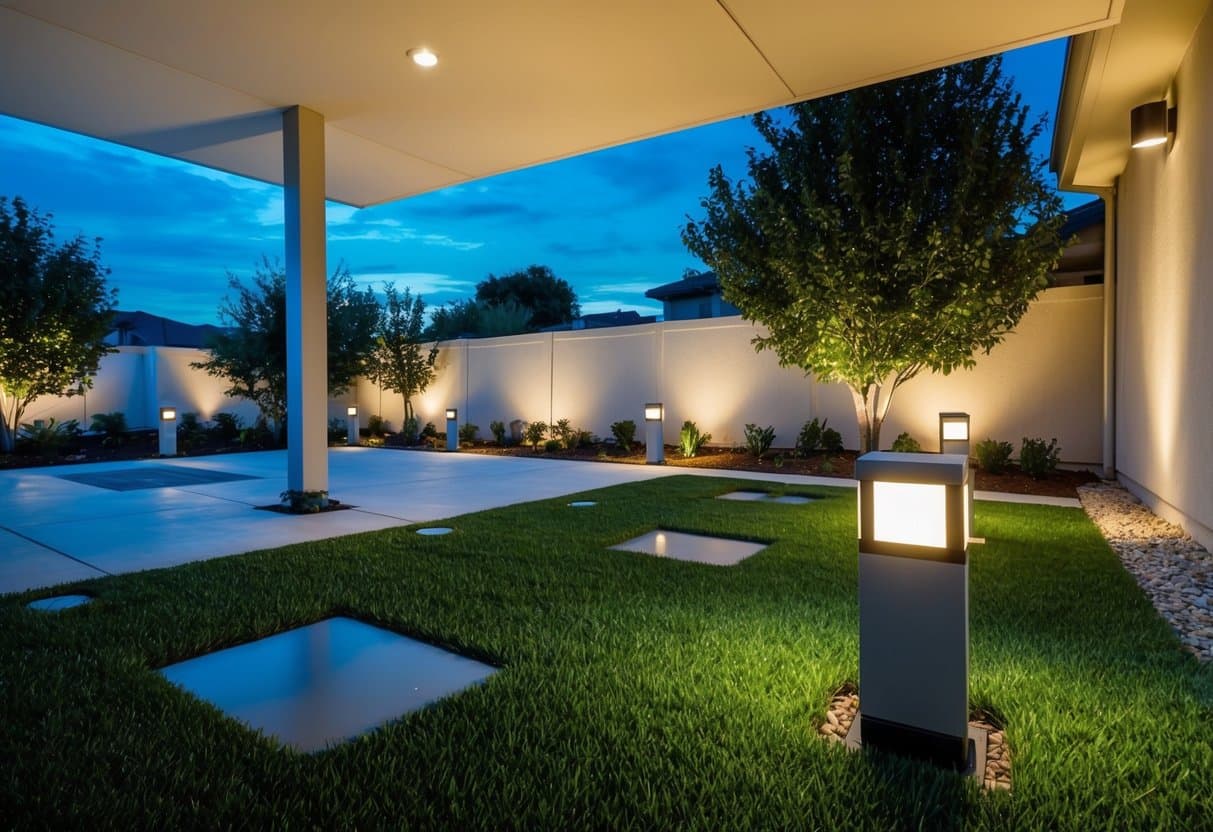
Modern outdoor lighting systems offer smart features to enhance convenience, energy efficiency, and security. These controls allow users to customize their lighting based on specific needs and preferences.
Timer switches let homeowners set schedules for their outdoor lights. This feature turns lights on and off at preset times. It's useful for creating a lived-in look when away from home.
Timer switches can be analog or digital. Analog timers use pins or dials to set on/off times. Digital timers offer more precise scheduling options.
Some benefits of timer switches include:
Motion sensors trigger lights when they detect movement. This type of lighting is great for security and energy savings. Lights turn on only when needed, reducing electricity use.
Motion-activated lights work well for:
These sensors can be adjusted for sensitivity and range. This helps prevent false triggers from small animals or passing cars.
Wireless systems let users control outdoor lighting from their smartphones or tablets. These setups offer flexibility and remote access.
Popular features of wireless lighting control:
Many systems integrate with smart home platforms. This allows voice control through devices like Amazon Alexa or Google Home.
Security lighting aims to deter intruders and improve safety around the property. It often combines motion sensors with bright, wide-angle lights.
Key aspects of security lighting:
Some security lights include cameras or two-way speakers. These features add extra layers of protection and monitoring capabilities.
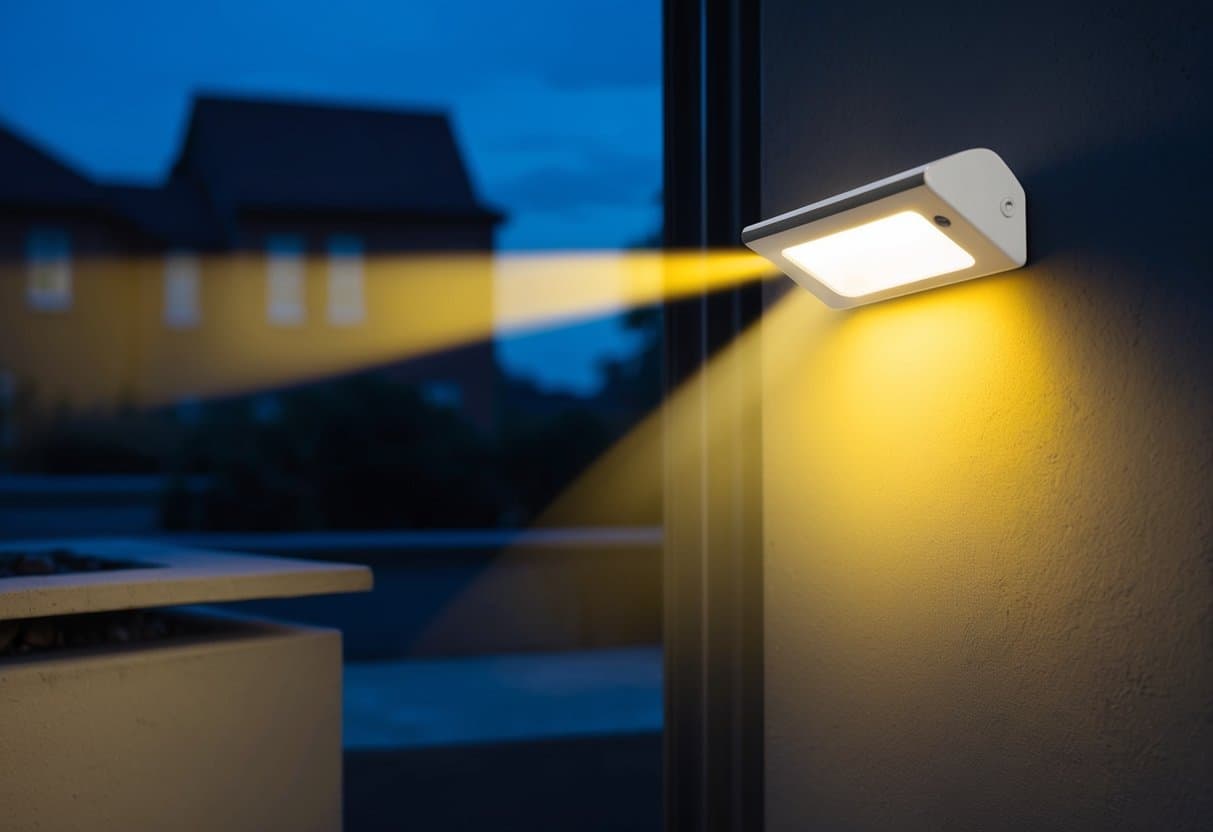
Motion sensor lights turn on when they detect movement nearby. They're great for outdoor security and convenience. These lights switch on automatically when someone approaches, lighting up walkways and entrances.
Most motion sensors use passive infrared technology to spot heat changes. They can detect people, animals, and vehicles moving in their range. The detection area is usually adjustable, from about 10 to 21 metres.
Some key benefits of motion sensor lights:
Installation is fairly simple for DIYers with basic electrical skills. It's best to mount the lights 1.8 to 2.4 metres high for good coverage. Aim sensors toward high-traffic areas like driveways and paths.
Motion lights come in different styles to match your home's look. Options include:
When choosing motion lights, consider the bulb type, detection range, and time-on settings. LED bulbs last longer and use less energy than other types. Adjustable settings let you customize the light's behaviour.
Proper placement is key for motion lights to work well. Keep sensors away from heat sources like vents that could trigger false alarms. Test different spots to find the best coverage for your needs.
We install high-quality, durable low-voltage LED systems tailored to your property:
We seamlessly integrate with your home's electrical system, often combining with panel change, surge protection, pool/hot tub wiring, or interior pot lights upgrades for maximum efficiency.
Popular designs for Durham homes:

A good lighting plan boosts safety and enhances your property's beauty at night. It highlights key spots while creating a warm, welcoming feel.
Start by walking your property at night. Note dark areas that need light for safety. Look for spots to highlight, like trees or garden features. Think about how light will look from inside your house too.
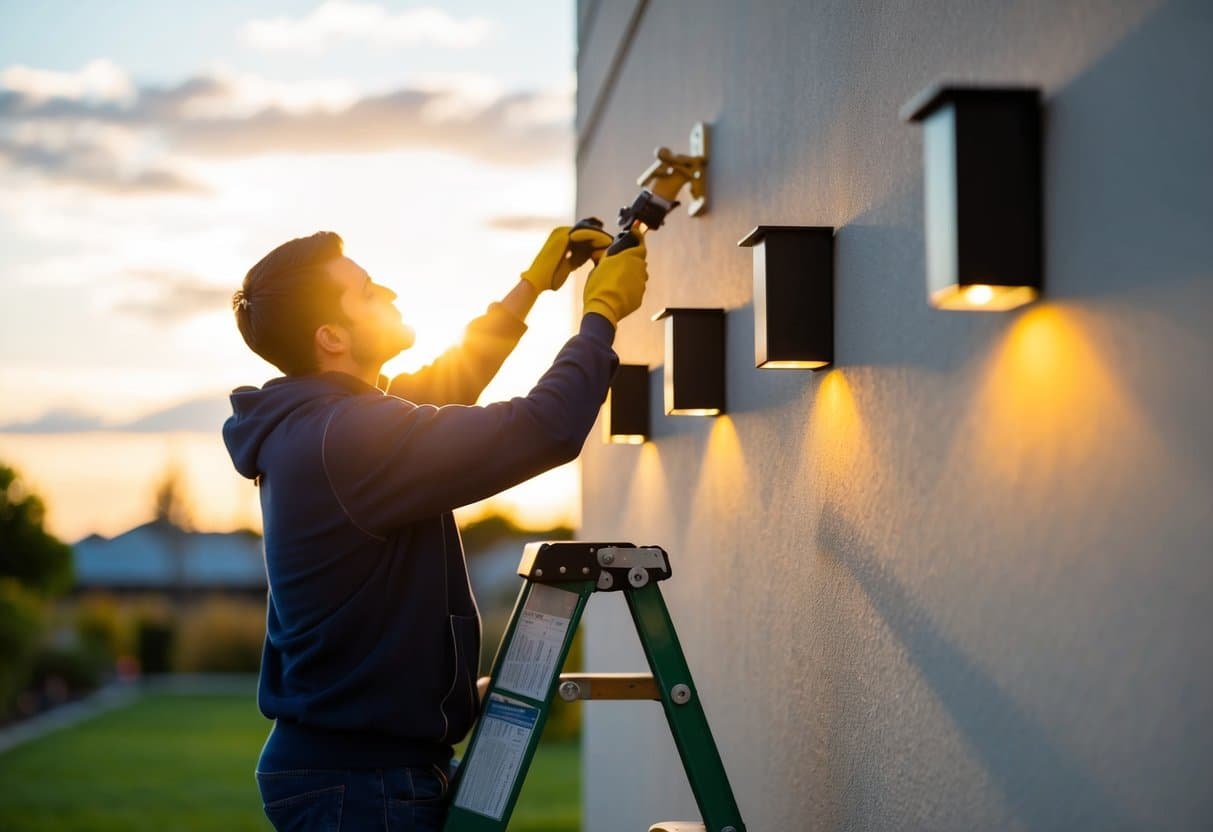
Proper installation of outdoor lighting requires careful planning and execution. The first step is to map out the desired lighting locations in the yard. This helps determine wiring routes and power needs.
For DIY installations, safety is key. Always turn off the main power before starting any electrical work. It's wise to consult an electrician if unsure about any steps.
Underground wiring is often necessary for a clean look. This involves digging trenches to bury cables. Trenches should be 30-45 cm deep to protect wires from damage.
When burying wires, use a conduit for extra protection. This shields cables from moisture and pests. Be sure to check local codes for specific requirements.
Connecting lights to the home's electrical system may need a larger transformer. This converts standard voltage to the lower voltage used by most landscape lights.
Proper wire connections are crucial. Use waterproof wire nuts and silicone sealant to prevent moisture damage. Test all connections before burying wires.
Once wiring is complete, install light fixtures according to the manufacturer's instructions. Aim lights carefully to create the desired lighting effect.
Finally, restore any disturbed landscaping. Fill in trenches and replace sod or mulch as needed. This ensures a polished look for the completed project.
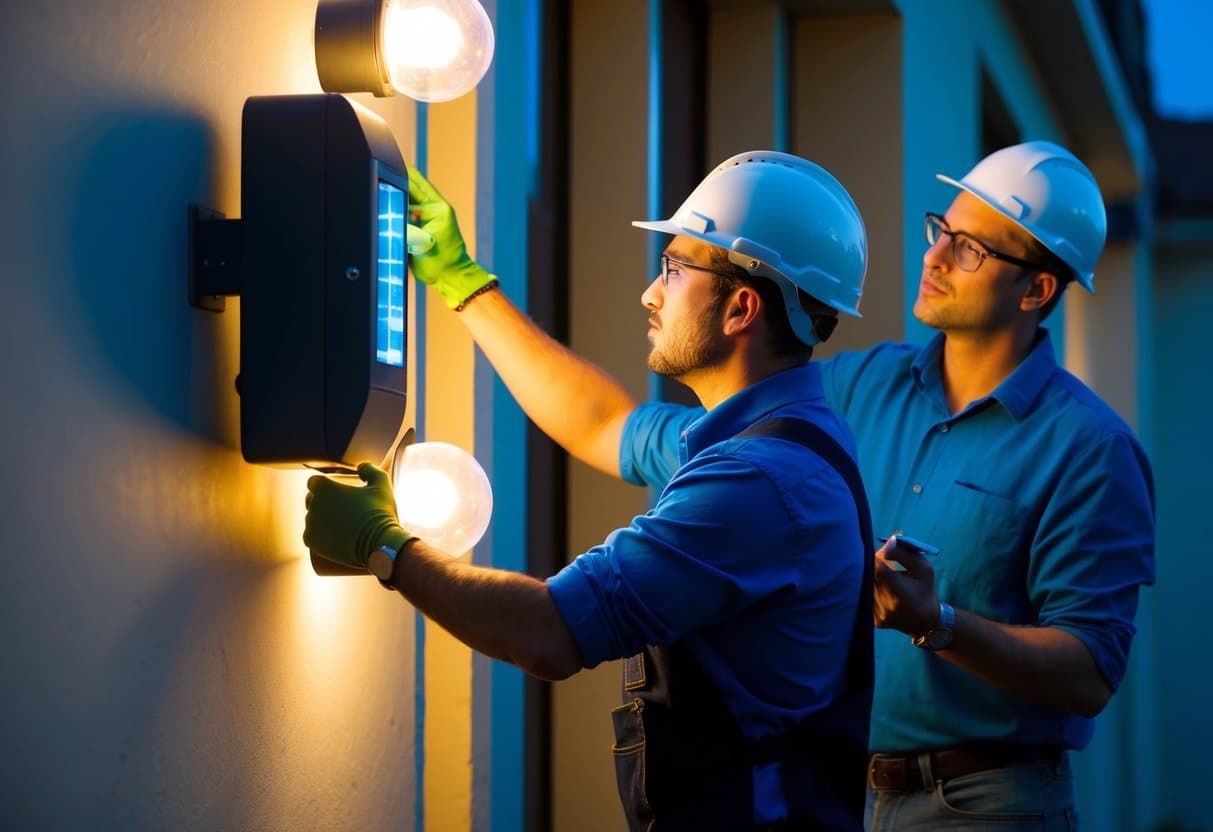
Once the outdoor lights are installed, it's time for the final steps. Check all connections to make sure they're secure. Tighten any loose screws or fittings.
Clean the light fixtures with a soft cloth. This removes any dirt or fingerprints from the installation process. It helps the lights look their best.
Wait until dark to test the system. Turn on all the lights and walk around the property. Look for any dark spots or areas that need more light.
Adjust the angle of spotlights and floodlights as needed. Point them at the features you want to highlight. Be careful not to create glare for your neighbours or passing cars.
Check that motion sensors are working properly. Walk in front of them to trigger the lights. Adjust their sensitivity if needed.
Make sure timers are set correctly. Programme them to turn lights on at dusk and off at dawn or at a specific time.
Test any smart lighting features from your phone or control panel. Ensure all zones and scenes work as intended.
Keep spare bulbs on hand for quick replacements. Note the wattage of each fixture for easy reference later.

Outdoor lighting can transform a home's exterior. It shows off a property's best features and creates inviting spaces. Good lighting makes a big impact on how a house looks at night.
Spotlights can draw attention to interesting parts of a house. They work well on columns, arches, and textured walls. Wash lighting spreads light evenly over large surfaces. This technique is great for brick or stone walls.
For landscaping, uplights work wonders. They shine from the ground up into trees and shrubs. This creates dramatic shadows and depth. Spotlights can also highlight special plants or garden art.
Colour-changing LED lights add flair to outdoor spaces. They can match different seasons or events. Soft white light is best for everyday use. It gives a warm, welcoming glow to the home's exterior.
Path lights guide guests safely to the front door. They come in many styles to match a home's look. Stake lights are easy to install along walkways. Step lights built into stairs prevent trips and falls.
Pendant lights or wall sconces near the front door create a cozy entrance. Motion sensors can turn these lights on when someone approaches. This saves energy and adds security.
Deck and patio lighting extends the use of outdoor spaces. String lights add a festive touch to seating areas. Built-in step lights on decks improve safety. Uplights on nearby trees create a magical backdrop for outdoor gatherings.
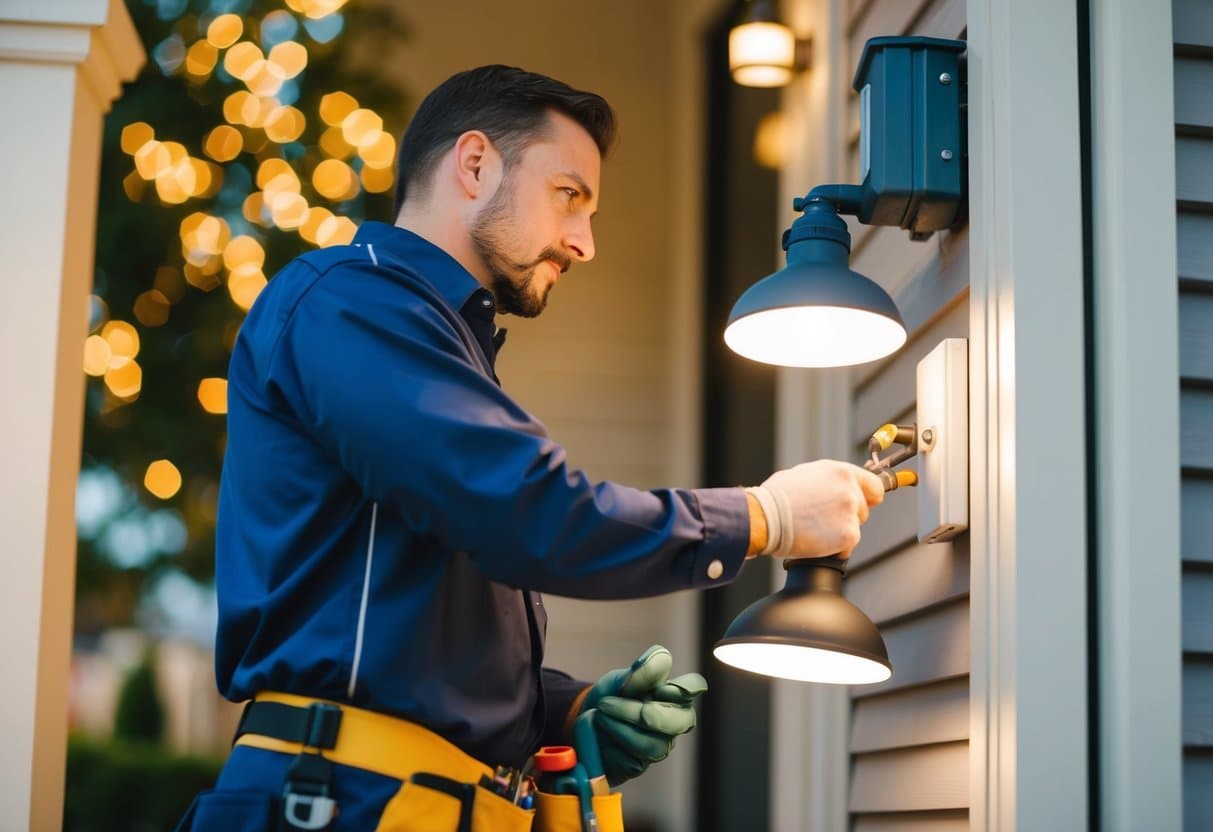
Outdoor lighting installation involves several key steps and considerations. Homeowners can tackle some projects themselves, while others may require professional help. The cost and complexity can vary depending on the scope.
Planning the layout comes first. Next, gather supplies and tools. Dig trenches for wiring if needed. Install light fixtures and connect them to the power source. Test the system to ensure everything works properly. Adjust fixture positions as needed for the best effect.
Many simple lighting projects can be DIY. Basic solar lights or low-voltage systems are often doable for handy homeowners. Complex setups or those needing electrical work may call for pros. Safety should be the top priority when deciding.
Costs vary based on property size and project complexity. Small jobs might start around $1,000 CAD. Larger or more intricate setups can reach $5,000 CAD or more. High-end systems for big properties could exceed $10,000 CAD.
Start by placing the transformer near a power outlet. Run the main cable to each light location. Connect lights to the cable using waterproof connectors. Bury the cable about 15 cm deep. Test the system before covering all wiring.
Not always, but it depends on the project. Low-voltage systems often don't need an electrician. Projects involving new electrical outlets or high-voltage lighting do require a licensed pro. Local building codes may also dictate when to call an electrician.
Think about the goals for your lighting. Consider energy efficiency and bulb types. Look at fixture styles that match your home's look. Factor in durability for your climate. Don't forget about light pollution and how it affects neighbours.
Ready to light up your Pickering, Whitby, Oshawa, or Durham Region outdoor space? Contact your trusted local electrician near me at Beetham Electric today!
Call or Text: (905) 449.0890
Email: sbeetham@beethamelectric.com
Address: 9 Carlow Court, Unit 1, Whitby, ON L1N 9T7
Proudly Serving: Pickering, Oshawa, Whitby, Ajax, Clarington, Uxbridge, Scugog, Brock & All of Durham Region
We offer same-day emergency response when possible, 24/7 availability, and full warranties on repairs.
Explore more residential services: Electrical Panel Upgrades, EV Charger Installation, Surge Protection, Pool & Hot Tub Wiring, Pot Lights & Lighting, Code Corrections, and more.
Go green with a safe, efficient home EV charger installation. We handle Level 2 setups, load calculations, ESA permits, and guidance on current Ontario incentives for residential EV charging.
At Beetham Electric, we understand the growing need for reliable and efficient home charging solutions for electric vehicle owners. Our EV charger installation service ensures you have the convenience of charging your vehicle right at home or at your business, saving you time and money while contributing to a sustainable future.
Reach out to us via phone at (905) 449.0890,
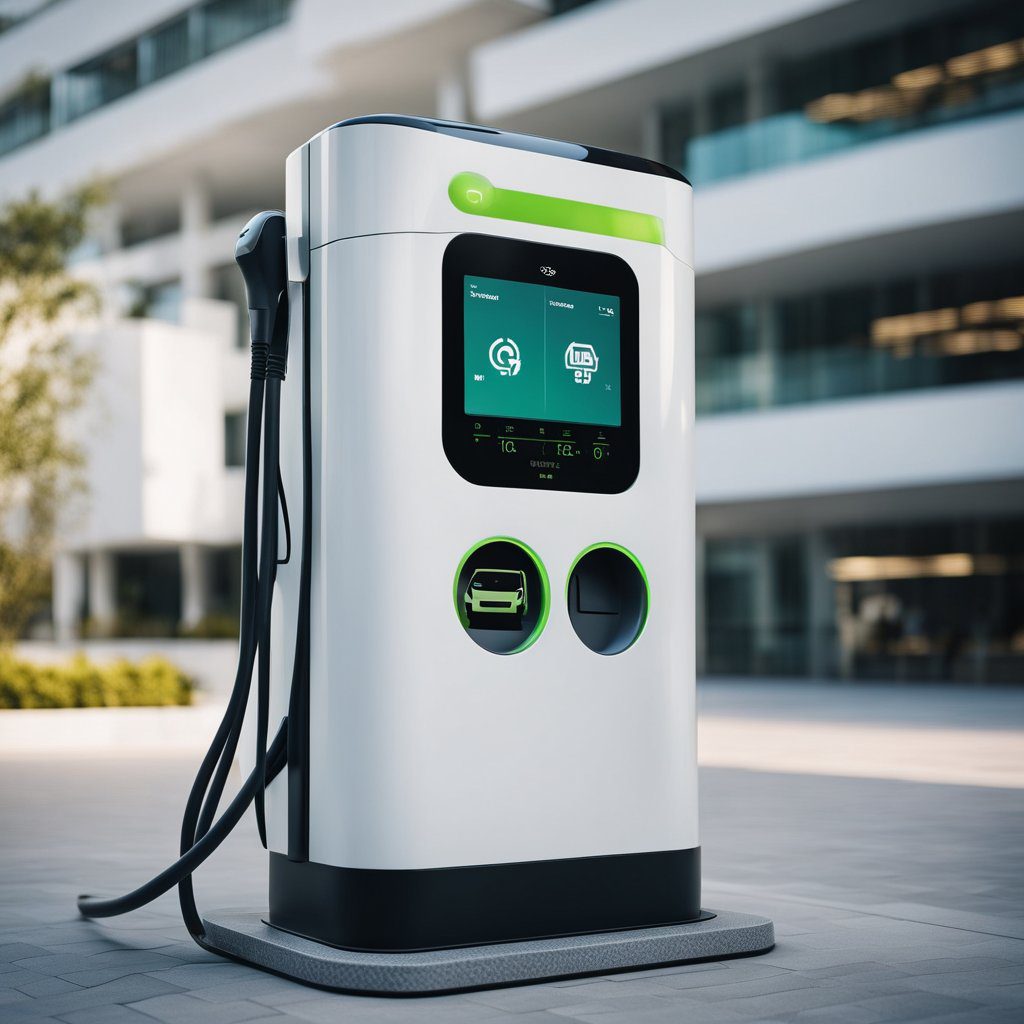
Having a home EV charger means you can charge your vehicle overnight and start your day with a full battery. This convenience eliminates the need to rely on public charging stations and can significantly reduce your charging costs. Moreover, a home EV charger can enhance your property's value and support environmental sustainability by promoting the use of electric vehicles.
Our comprehensive EV charger installation service includes an initial consultation to assess your needs and evaluate your electrical system. We offer a range of charger options, from Level 1 and Level 2 chargers to advanced smart chargers, ensuring we meet your specific requirements. Our certified electricians handle the entire installation process, adhering to local codes and regulations, and coordinating with utility companies if necessary.
We offer transparent and competitive pricing for our EV charger installation service. Choose from our Basic, Standard, or Premium packages, each designed to meet different needs and budgets. Financing options are available, and we frequently offer discounts and promotions.
With EV adoption accelerating across Ontario, home charging offers unmatched convenience: charge overnight while you sleep, avoid public station waits, save on electricity costs (especially off-peak), and extend battery life with slower, gentler Level 2 charging. A professional installation also boosts your home's resale value in competitive markets like Pickering, Whitby, and Oshawa.
Key benefits for local homeowners:
Don't wait to enjoy the benefits of a home EV charger. Book a consultation with Beetham Electric today and take advantage of our limited-time offers!
Electric vehicles (EVs) are steadily gaining popularity as a more eco-friendly and sustainable mode of transportation. As a result, the demand for EV charging stations is also on the rise, both in public areas and at private residences. Installing an EV charger not only supports the growing shift towards cleaner transportation but also offers convenience for EV owners to charge their vehicles at home, reducing their dependence on public charging networks.
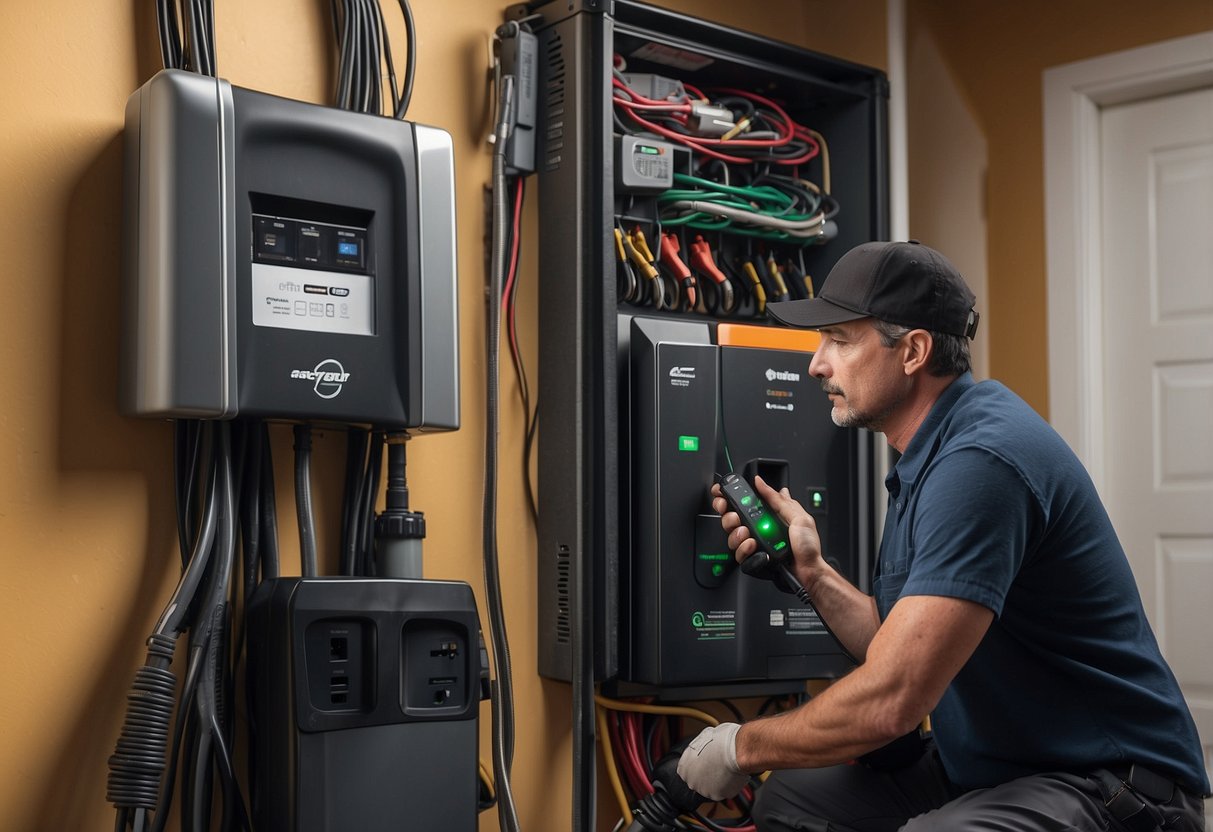
Before undertaking the task of EV charger installation, it is essential to understand the different options available, as well as the specific requirements and prerequisites for each type of charger. EV chargers come in various levels, with each offering different charging rates and capacities suitable for the vast range of electric vehicles available in the market. Selecting the right charger depends on factors such as the make and model of the vehicle, driving habits, and the individual's electrical infrastructure.
When installing a charging station for an electric vehicle, proper safety precautions, adherence to regional regulations, and professional guidance are necessary to ensure seamless integration into the existing electrical system. Partnering with a licensed electrician can help navigate the process while guaranteeing compliance with local standards and optimal charging efficiency for the electric vehicle.
Electric vehicles (EVs) are becoming more popular as the technology and infrastructure supporting them continue to develop. EV charging can be confusing for new owners, but understanding the different types and technologies can make the process easier and more efficient.
There are primarily three types of EV chargers available for charging electric vehicles:
Different EV charger technologies exist to cater to the diverse needs of EV owners. Some may prioritize charging at home, while others may prefer fast-charging options at public stations.
By understanding the different types of EV chargers and their technologies, EV owners can make informed decisions on the best charging solutions to suit their needs and lifestyles. In turn, this knowledge helps enhance the overall EV ownership experience.
When planning the installation of your EV charging station, it is vital to select an appropriate location. Ideally, this location should be close to your parking spot or garage. Consider the distance between the charging station and your vehicle, as this will determine the length of the charging cable required. Additionally, the location should be sheltered from weather elements and well-ventilated to guarantee safety and efficiency.
Before installing an EV charger, it is essential to assess your home's electrical capacity. To do this, inspect the main electrical panel and check the following items:
If your home's electrical capacity is insufficient, you may need to upgrade the panel or consult an electrician to address the issue.
It is crucial to choose the right EV charger for your needs. Generally, there are two types of chargers to consider:
To select the correct charger, consider factors such as your budget, driving habits, and the range of your electric vehicle.
In conclusion, planning your EV charger installation involves selecting the right location, assessing your home's electrical capacity, and choosing the appropriate EV charger based on your needs. By following these steps, you'll ensure a safe and efficient charging station for your electric vehicle.
Before starting the EV charger installation, it's important to secure the necessary permits from your local municipality. This can vary depending on your location, but typically includes an electrical permit. Acquiring permits ensures that the installation process is in compliance with local regulations and will help avoid any penalties or fines.
To obtain the required permits, you may need to provide details regarding the specific equipment, installation location, and the licensed electrician who will be performing the work. Keep in mind that permitting processes and requirements may vary between different jurisdictions, so it's essential to research your municipality's specific regulations.
Hiring a licensed electrician is crucial for the success of your EV charger installation. Make sure to choose an electrician or installation service with experience in installing EV chargers and who is certified by a trusted organization, such as Qmerit.
The professional installer will first assess your home's electrical system to ensure it can handle the additional load from the EV charger. They will determine the availability of electrical capacity, and if there are any necessary upgrades to be made.
Selecting a suitable location for the installation involves considering factors such as accessibility, safety, and aesthetics. The electrician can help guide this decision and recommend the best positioning for your charger.
The electrician will then:
After the installation is complete, you'll need to schedule an inspection with your local municipality. This step is crucial, as the inspector will verify that the installation was done in accordance with local regulations and safety standards.
Once the inspection is successfully passed, you can start using your new EV charger, confident in the knowledge that it was installed professionally and in compliance with all necessary guidelines.
When considering the purchase and installation of an EV charger for your home or business, it's important to understand the various costs involved. The installation cost can vary significantly depending on several factors, such as the charger type, location, and electrician rates.
There are two main types of chargers: Level 1 and Level 2. Level 1 chargers are typically less expensive, as they are designed to plug directly into a standard 120-volt electrical outlet. Level 2 chargers, on the other hand, require professional installation and a dedicated 240-volt circuit, which can be more costly.
Some factors affecting installation costs include:
To offset the costs of purchasing an electric vehicle and installing an EV charger, many governments and utilities offer a variety of rebates and incentive programs. These can significantly reduce the overall cost and encourage more people to adopt electric vehicles.
Some common incentives include:
To discover available incentives and rebates in your area, research through local government and utility websites, or visit online resources like the Alternative Fuels Data Center for the United States. Keep in mind that rebate and incentive programs may change over time, so it's a good idea to stay updated on the latest offers.
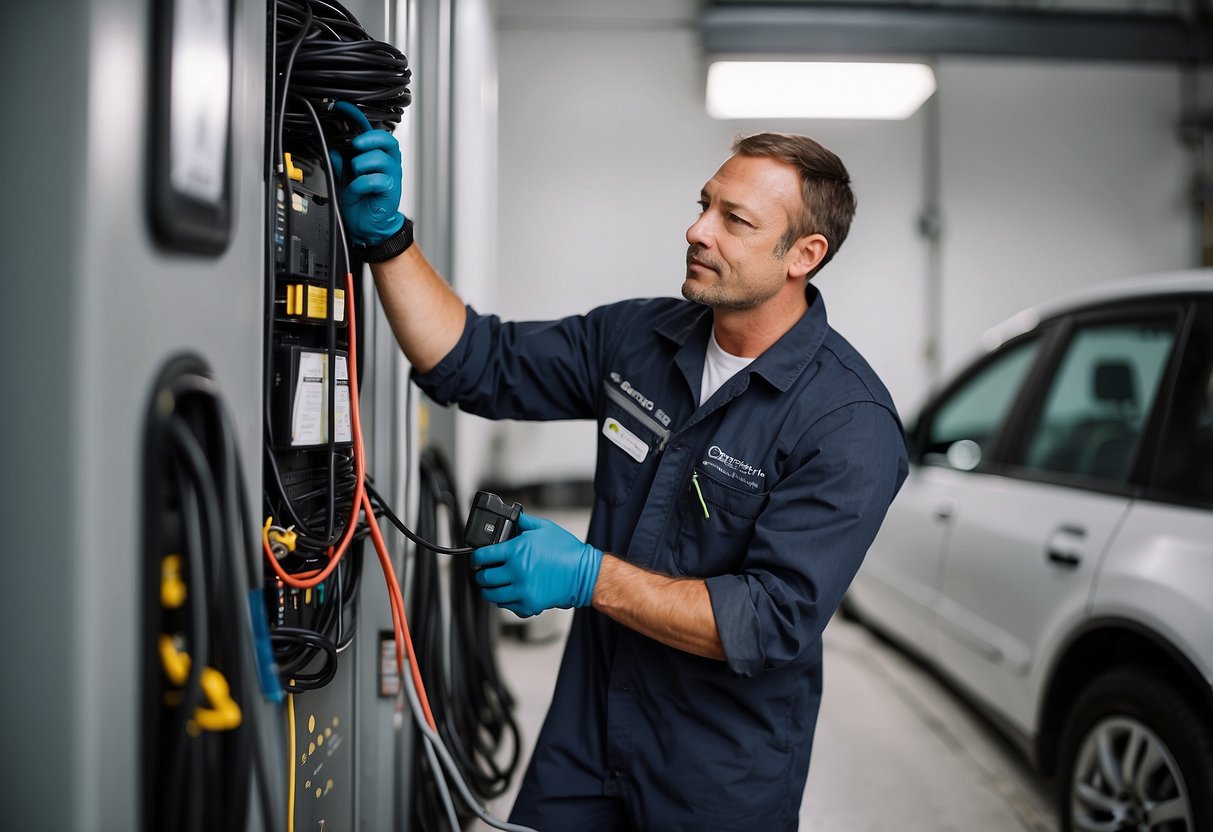
Before fully integrating an EV charger into your home, it's essential to set up its connectivity and smart features. Many modern chargers come with Wi-Fi connectivity, allowing users to monitor and control their charging sessions remotely. To utilize these features, ensure your charger is within range of your home's Wi-Fi network. It's typically easiest to connect the charger during the installation process, but you can also connect it after installation if needed.
Some chargers also offer smart charging features, which can help optimize charging times based on your electricity rates and supply. This not only saves money but also reduces the load on the utility grid during peak hours. To take advantage of these features, check if your charger supports the function and connect it to your energy supplier's demand management system.
To ensure the longevity of your EV battery and charger, follow these best practices for charging:
Remember that proper EV charger installation and usage are crucial to a safe and efficient charging experience. By setting up connectivity and following these best practices for charging, you can ensure optimal performance and long-term durability for your charger and EV.
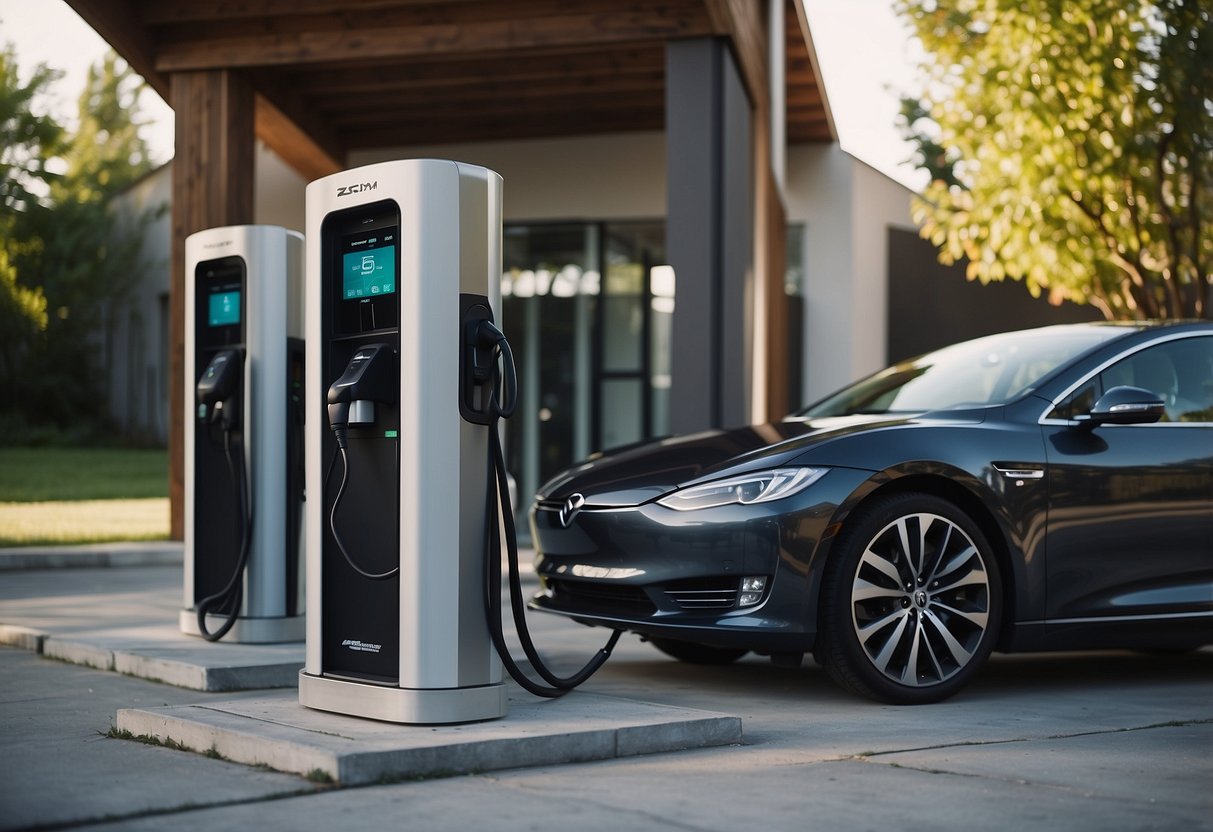
In single-family homes, EV charging is relatively straightforward. Homeowners usually have access to a parking spot or driveway where they can install a charging station. In most cases, a Level 2 charger (240V) is recommended, providing a faster and more efficient charging experience compared to a standard 120V outlet.
Some factors to consider when installing an EV charger in a single-family home include:
For those living in apartments and condos, EV charging can be more complex. These residents typically share parking spaces and may not have access to a dedicated spot for charger installation. Nevertheless, solutions are available, such as:
Table 1: Comparison of charger types in apartments and condos
| Charger Type | Installation Cost | Charging Speed | Accessibility |
| Dedicated (Level 2) | High | Fast | High |
| Shared (Level 2) | Moderate | Fast | Moderate |
| Public Charging | Low | Varies (Slow/Fast) | Moderate |
For those without access to home or apartment charging, public charging stations can be a viable option. These are often found at shopping centers, parking lots, grocery stores, and workplaces.
Public charging stations generally offer Level 2 chargers (240V) or Level 3 DC fast chargers (480V). However, not all EVs are compatible with fast charging, and it's important to know your vehicle's capabilities.
Workplaces may also offer EV charging to their employees, which can be a huge advantage for commuters. This can range from dedicated charging stations to shared Level 2 chargers. Be sure to check with your employer for any available charging options or incentives.
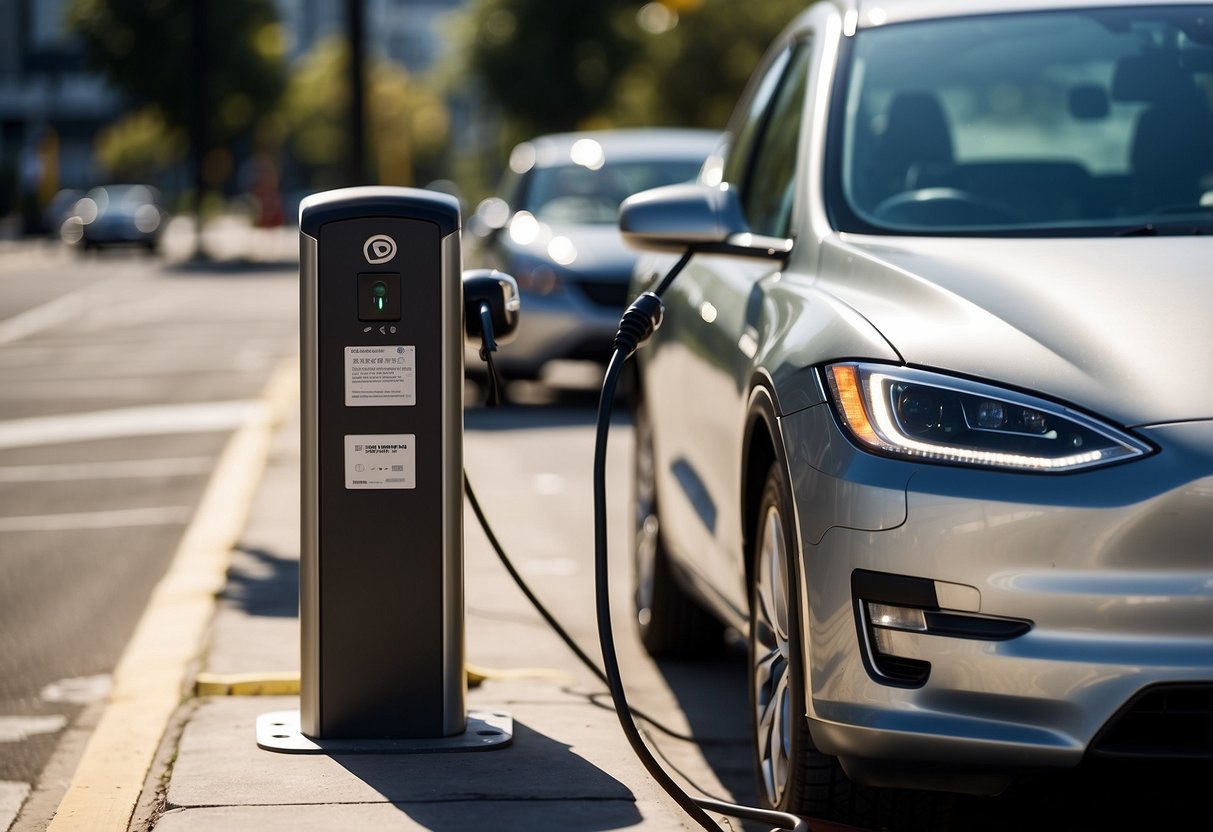
One crucial aspect of EV charger installation is maximizing charging efficiency. To achieve this, it is essential to consider factors such as charging during off-peak hours. This not only lowers energy costs but also reduces the load on the electrical grid:
If you live in an older home, installing an EV charger may require updates to your existing electrical system. Key aspects to consider include:
Compliance with safety standards is paramount in EV charger installation. There are several safety and compliance standards to be aware of:
| Certification | Description |
| Underwriters Laboratories (UL) | UL Listed products have been tested and certified to meet specific safety standards. Ensure your EV charger has UL certification for a secure installation. |
| Intertek | Similar to UL, Intertek provides testing and certification services for electrical products. Look for the "ETL Listed" marker on your EV charger to verify conformity. |
Ensure that your chosen EV charger has the necessary certifications and complies with government regulations. Additionally, hiring a certified electrician for the installation can help ensure a safe, code-compliant setup.
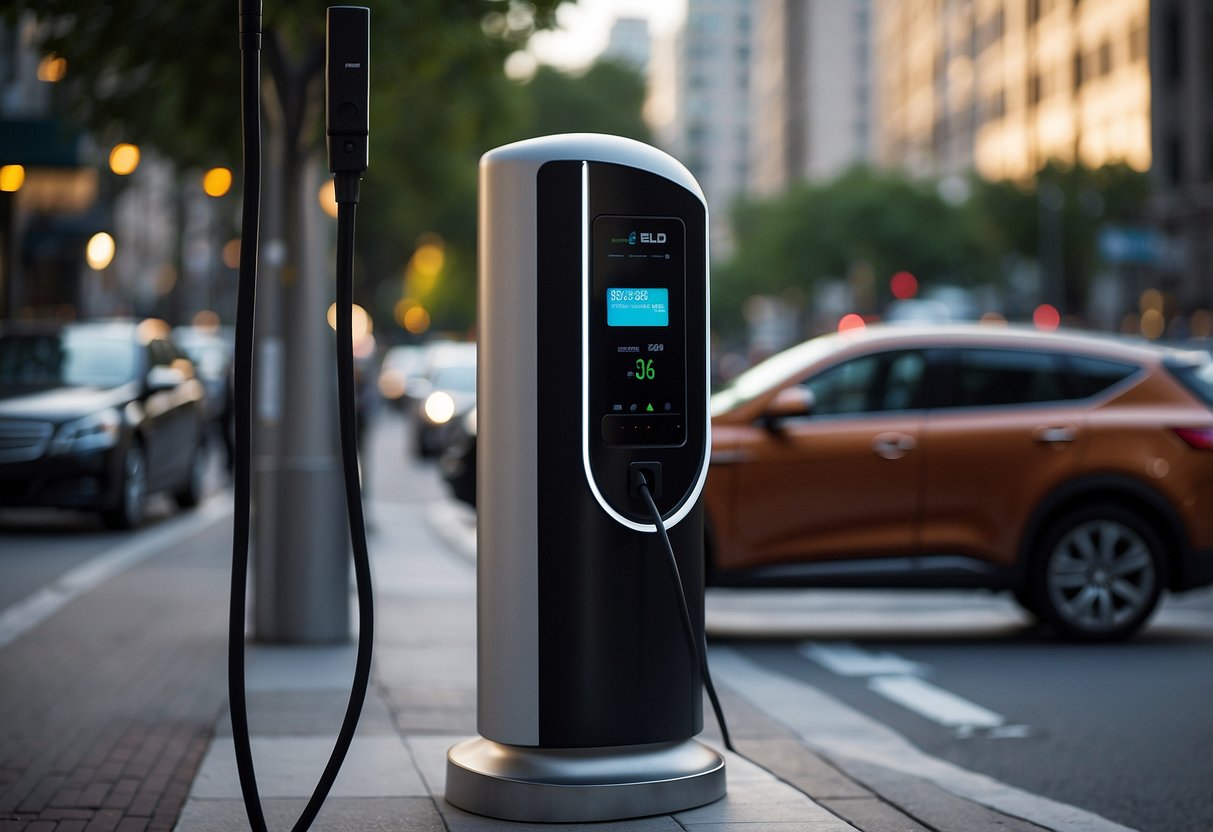
The adoption of electric vehicles (EVs) has been steadily increasing over the years, contributing to a more sustainable future. However, it is essential to look beyond the charger and understand how EVs and sustainable energy work together.
The direct environmental benefits of EVs come from their zero-emission nature. Moreover, they contribute to the reduction of greenhouse gas emissions caused by traditional gas-powered vehicles. EVs are also quiet, leading to decreased noise pollution.
To maximize the impact of EVs, they need to be powered by renewable energy sources like solar, wind, or hydroelectric power. The integration of renewable energy sources for EV charging can help reduce emissions not just from individual vehicles but also from the entire energy sector. In fact, an electric vehicle charged by renewable energy can have up to 60% lower carbon emissions compared to a traditional car.
One trend that can greatly influence the interaction between EVs and sustainable energy is the rise of smart charging. Smart charging systems ensure that EVs are charged at the most environmentally-efficient times. By doing so, they help to balance the load on the grid and utilize more renewable energy when it is available.
Another essential aspect of sustainable transportation is the adoption of vehicle-to-grid (V2G) systems. With a V2G system, EVs can contribute to the grid when not in use by feeding electricity back into the system, which can support the grid during peak loads or when renewable energy production is low.
Different countries and regions have different policies and incentives for EV adoption and integration into the renewable energy system. These may include subsidies and tax breaks, renewable electricity production requirements, or strict emissions regulations for new vehicles.
In summary, electric vehicles play a significant role in promoting sustainable energy. The integration of renewable energy sources for charging, advances in smart charging, and vehicle-to-grid systems all contribute to the significant reduction of emissions and the overall environmental impacts of transportation. The combined efforts of policymakers, industry leaders, and individuals will ensure the continued growth of EVs and the sustainable energy sector.

Various companies offer EV charger installation services, catering to different electric vehicle (EV) models such as Tesla, Chevrolet, and more. Choosing the right service is crucial to ensuring your EV charging experience is efficient and convenient. Some providers to consider are:
When selecting an installation service, consider factors such as charging time, charging power output, and whether the service is available in your region (e.g., Ontario).
An important aspect of EV charger installations is understanding the electrical specifications. Here, we will discuss some key terms related to EV charging:
Understanding these terms is important when selecting an appropriate charger and installation service, as they greatly influence factors like charging time, power output, and the overall EV ownership experience.

In the world of electric vehicles (EVs), EV charger installation plays a crucial role in the development and adoption of this technology. This section highlights some key aspects to consider when installing a charger for your EV.
| Item | Cost (Estimation) |
| Charger unit | $300 - $2,000 |
| Installation | $500 - $2,500 |
| Total cost (before incentives) | $800 - $4,500 |
By carefully considering these components, you can ensure the successful installation and operation of an EV charger, making electric transportation a practical and reliable option for the future.
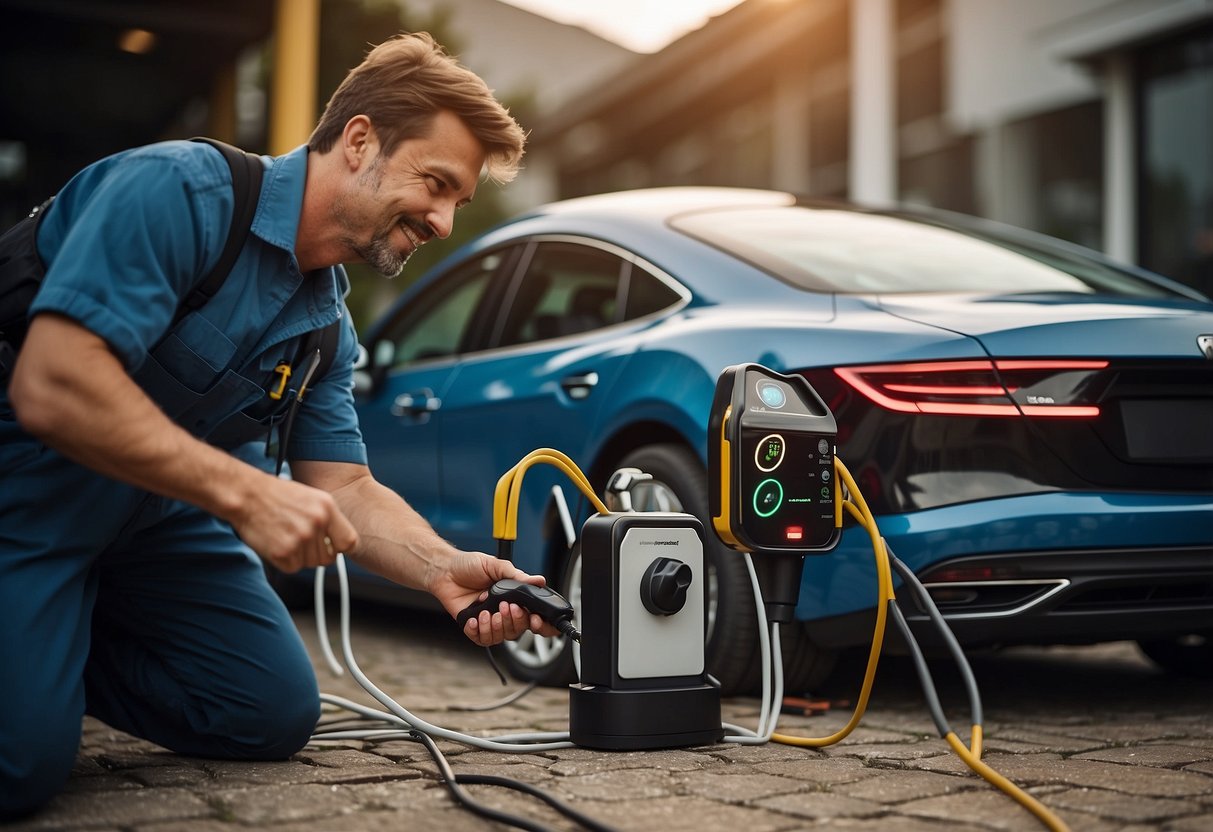
The costs of residential EV charger installation can vary based on factors such as the charger type, labour, materials, and permit fees. On average, you can expect to spend between CAD 1,000 and CAD 3,000 for a full installation, including the price of the charger. However, this range may fluctuate depending on the complexity of the project and any additional electrical upgrades that might be necessary.
While some homeowners may possess the necessary skills to install an EV charger, it is strongly recommended to work with a licensed electrician for both legal and safety reasons. Incorrect installation can lead to damage to your home or vehicle, voiding warranties, and even violating local building codes. To ensure a correct and safe installation, hire a licensed and experienced professional.
Permit requirements may vary from one municipality to another. It is essential to consult with your local building department to determine the specific permits and inspection processes necessary for your area. Most installations will require an electrical permit, and additional approvals may be needed if structural changes are made to your property.
The cost of installing an EV charger in Canada can be influenced by factors such as regional labour rates, permit fees, and the availability of qualified electricians. While some provinces may note higher or lower costs compared to the national average, the general range of CAD 1,000 to CAD 3,000 can be expected across the country.
When selecting a location for your EV charger, consider factors such as proximity to your vehicle's charging port, accessibility, weather protection, and the availability of existing electrical infrastructure. Your chosen spot should also be well-lit and near the electrical panel to minimize complicated or lengthy cable installations. It is important to consult with your electrician to determine the best location that meets safety codes and practical considerations.
Several provincial governments and utility providers offer rebates and incentives for installing EV chargers in Canada. These programs may vary depending on your location and the type of charger being installed. It is important to research your local government and utility websites to learn more about available incentives and eligibility requirements in your area.
With Ontario's push toward electric vehicles, Durham Region residents in areas like Bowmanville and Clarington are increasingly adopting EVs. We install reliable chargers to make home charging convenient and cost-effective.
EV adoption is rising in Durham due to proximity to Toronto and highways like the 401—let us help you go green without electrical headaches.
While direct provincial rebates for single-family home EV charger installations are limited or paused in Ontario (with programs like ZEVIP focusing on multi-unit, workplace, and public charging), check for:
Ready to power up your EV lifestyle in Pickering, Oshawa, Whitby, Ajax, or anywhere in Durham Region? Contact your trusted local electrician near me at Beetham Electric today!
Call or Text: (905) 449.0890
Email: sbeetham@beethamelectric.com
Address: 9 Carlow Court, Unit 1, Whitby, ON L1N 9T7
Proudly Serving: Pickering, Oshawa, Whitby, Ajax, Clarington, Uxbridge, Scugog, Brock & All of Durham Region
We offer same-day emergency response when possible, 24/7 availability, and full warranties on repairs.
Explore more residential services: Electrical Panel Upgrades, Surge Protection, Pool & Hot Tub Wiring, Pot Lights & Lighting, Code Corrections, and more.